PetVetAI Blog
Latest insights on pet health, AI technology, and care tips for your furry, scaly, and feathered friends.
Pet Health Insights & AI-Guided Care
When symptoms like vomiting, digestive upset, or behavior changes appear, early awareness matters. PetVetAI.ai helps pet parents and animal professionals use photo-based AI health and digestive scans to document what they see and decide next steps. If veterinary care is needed, AllPetPlaces.com connects you with trusted pet services nearby.
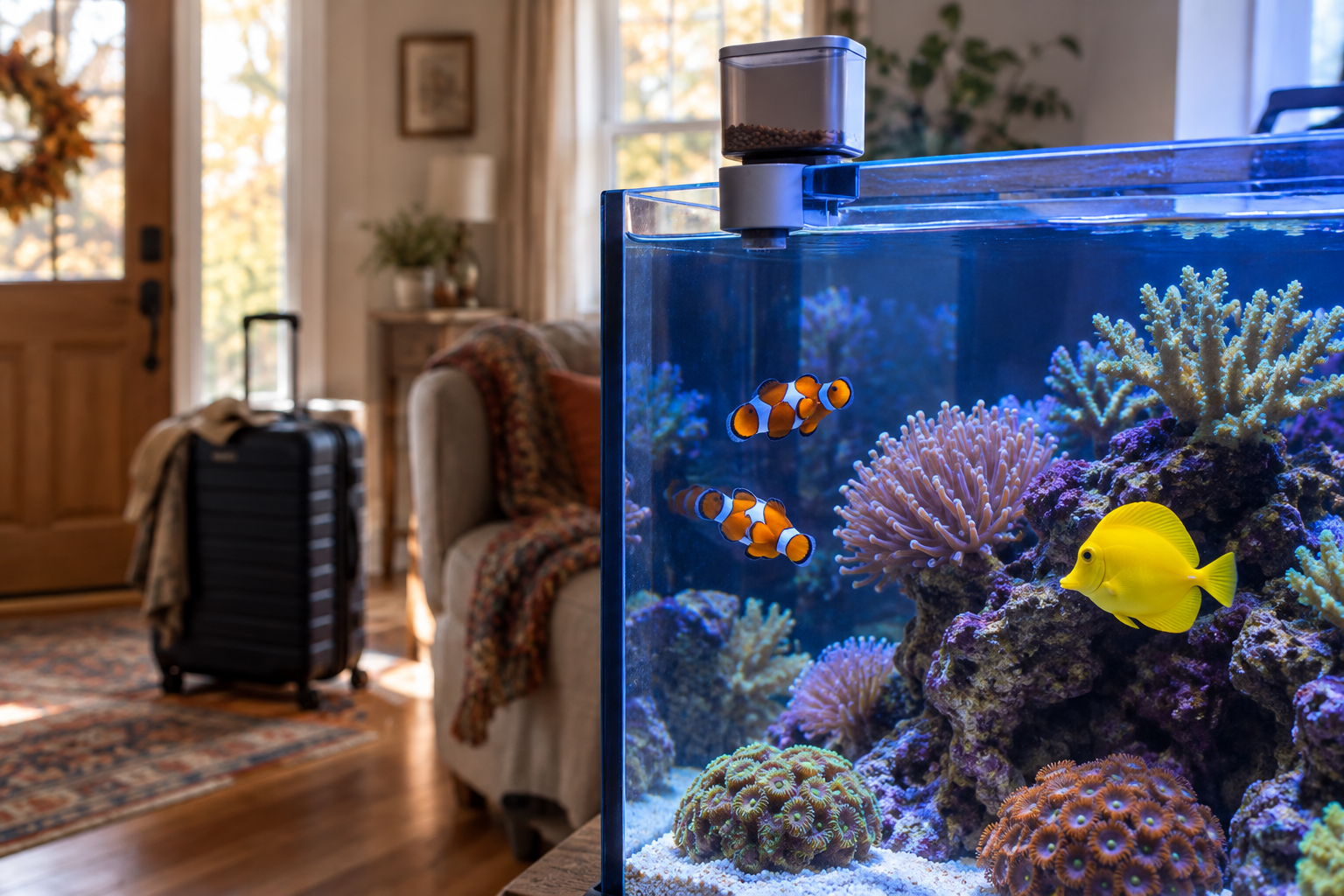
Thanksgiving is one week away, and for saltwater aquarium owners a four-day trip is one of the riskiest stretches of the year. Most holiday tank losses are not caused by disease. They come from a well-meaning sitter overfeeding, a top-off reservoir running dry, or a heater failing with nobody home to notice. This guide gives you a simple 7-day countdown: what to stop changing, how to pre-portion food, how to set up evaporation top-off and backups, what to leave on a one-page sitter sheet, and the 10-minute health check to run the moment you walk back in the door. It also shows how a photo and video baseline in PetVetAI.ai helps you spot post-trip changes early.

"Pet friendly" can mean a welcome treat at check-in or a $150 fee and a 25-pound limit. Here are the 9 policy details to confirm before you book, plus a room-arrival routine that keeps your pet safe and your deposit intact.
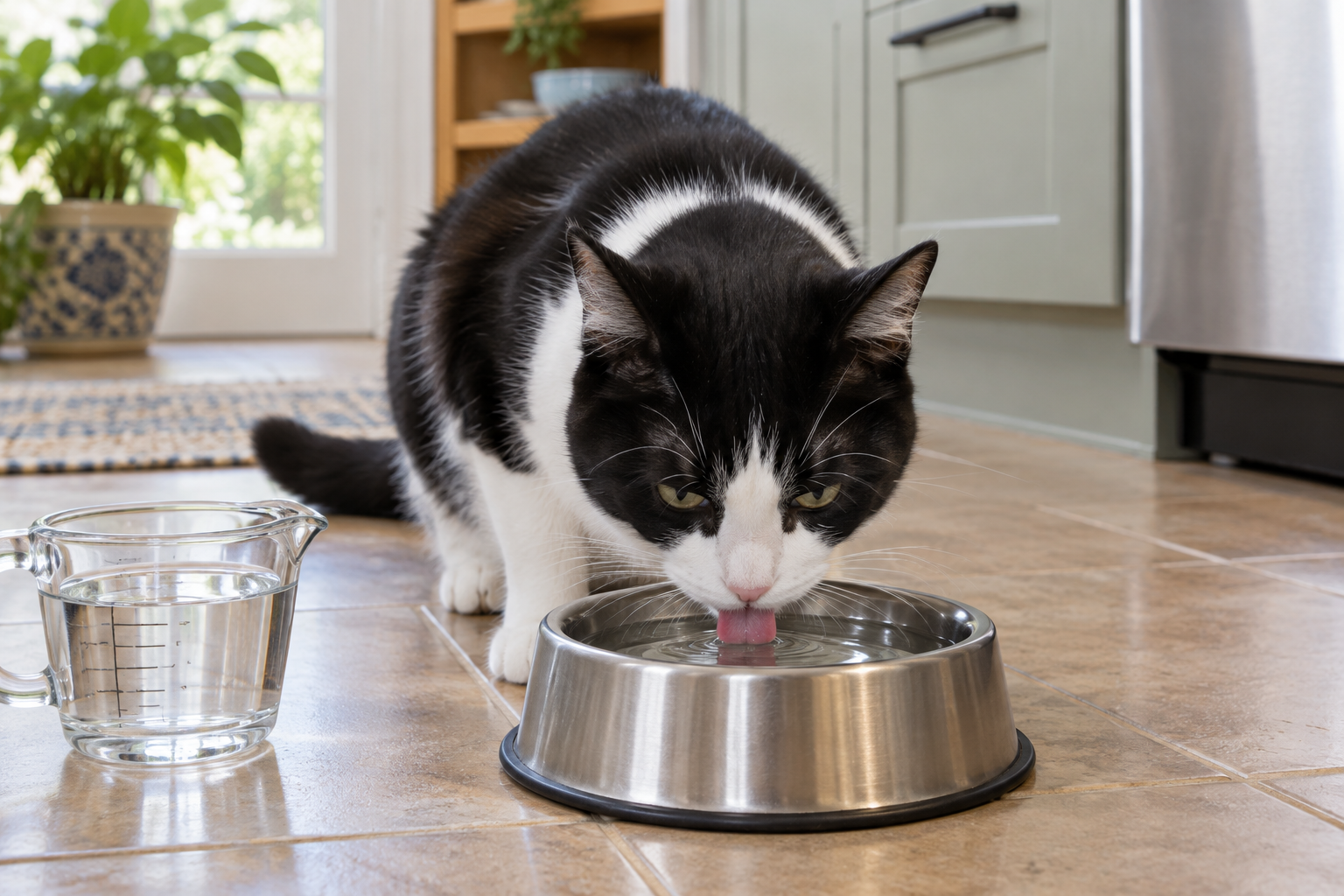
A cat or dog who suddenly drinks more is one of the earliest, easiest-to-miss signs of illness. Here is how to measure your pet's water intake at home, what counts as too much, and how PetVetAI helps you track it alongside your vet.

From Thanksgiving to New Year's, grooming salons and mobile groomers run at full capacity. Here is how AI can handle reminders, waitlists, and client updates, and help groomers flag skin, ear, and mobility changes for a vet visit.
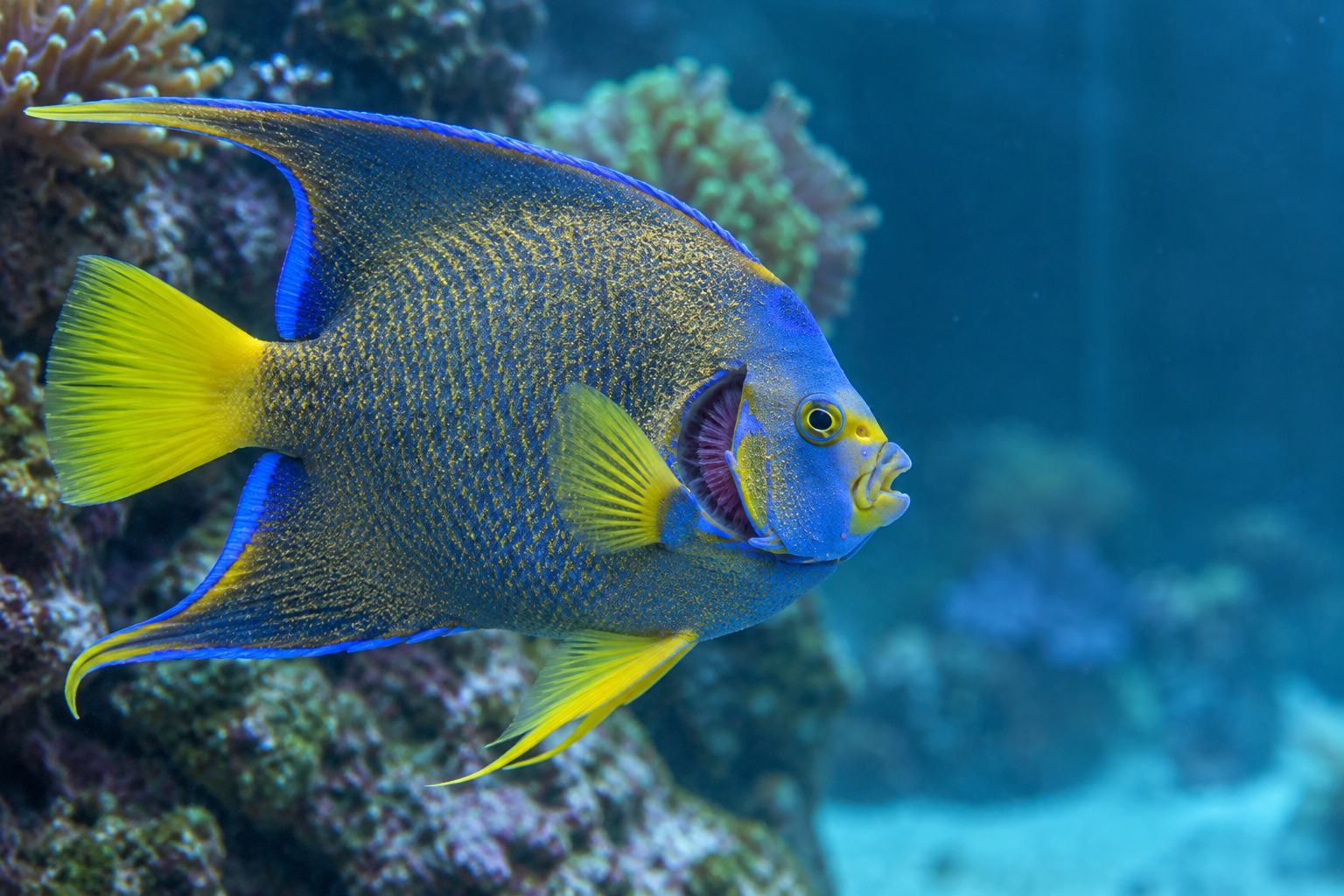
Black Friday livestock sales are here, and new fish are the most common way parasites get into a saltwater tank. Marine ich and marine velvet both start as small spots, but they move at very different speeds: ich often gives you days to react, while velvet can kill a tank in 24 to 72 hours. This guide shows how to tell them apart: grain-of-salt spots against a fine gold dust, mild scratching against fast breathing. It covers what to do in the first 48 hours and why quarantine matters more than any cure. It also shows how PetVetAI.ai helps you catch early changes in behavior and appearance, so you can bring your fish store or aquatic vet in sooner.
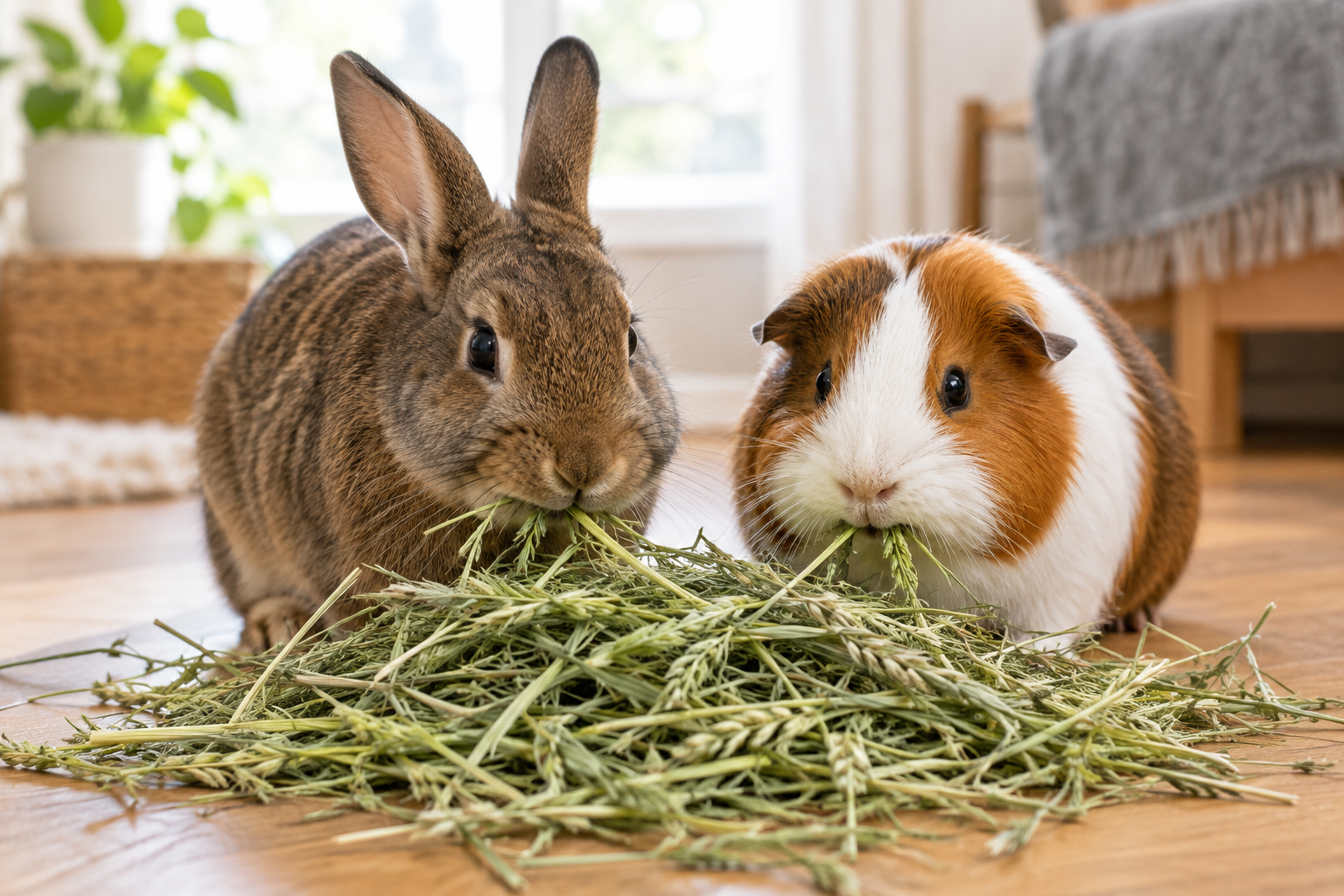
Hay is 80 percent of a healthy rabbit or guinea pig diet. Here is how to judge hay quality, store it safely through winter, spot gut trouble early, and where PetVetAI and AllPetPlaces fit in.
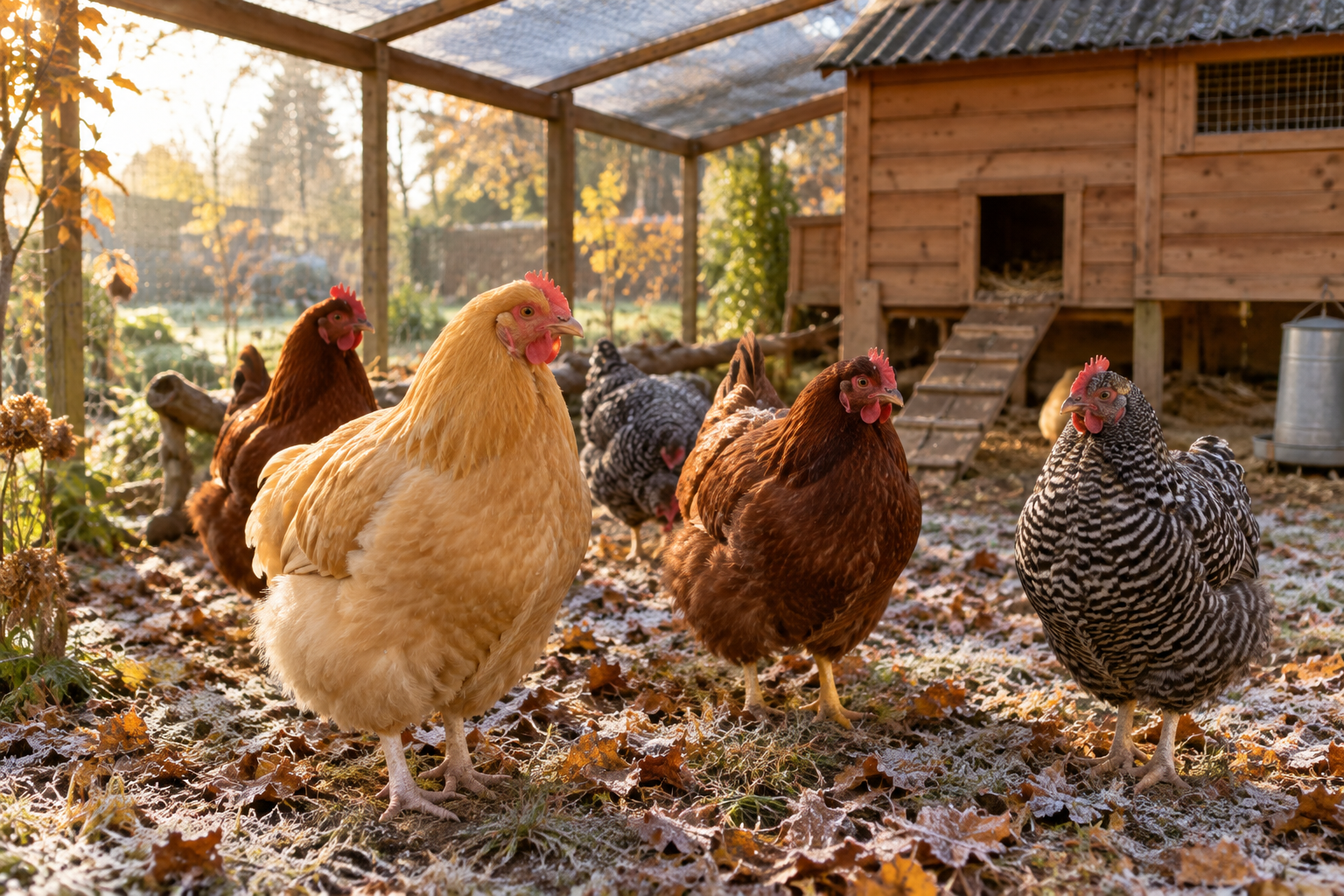
Fall migration brings avian influenza back to backyard flocks. Here are the 7 habits that keep your hens safer this winter, the warning signs to act on fast, and how PetVetAI and AllPetPlaces help.

Lilies in the centerpiece, onions in the stuffing, turkey string in the trash, and a front door that keeps opening: Thanksgiving is full of hidden dangers for cats. Here are the 9 biggest hazards and a calm plan for the day.

Cold months bring nonstick pan fumes, scented candles, dry furnace air, drafts, and shorter days, all tough on a bird's sensitive lungs. Here are 9 hidden winter hazards and how to fix each one this week.

Thanksgiving is November 26 and pet spots fill fast. Here is how to decide whether your dog, cat, or exotic pet should travel with you, go to boarding, or stay home with a sitter, plus what to book this week.

A new HABRI and Chewy Health study found one in three pet parents already use AI for pet care. Here is how to use it the smart way: capture, track, and bring a clear record to your vet.

Most pet travel stress comes from what nobody packs. Build a Plan B before you leave: records, a 24-hour emergency vet, and a hotel that really welcomes pets.

A seven-year University of Liverpool study of 209 cats found that almost every cat develops health problems with age, and that mild muscle loss in midlife was a warning sign. Here is a 10-minute monthly check to catch changes early.

Thanksgiving fills boarding calendars fast. Here is how kennels, daycares, and pet sitters can use AI to handle intake, health notes, and owner updates without drowning in phone calls.

A new fish, rabbit, or reptile can bring parasites or stress into your home. This 30-day plan covers quarantine, daily checks, the first exam, and when to introduce other pets.

Cold weather is coming, and your farm animals need more than a roof. This practical pre-winter barn checklist covers water that does not freeze, dry bedding, ventilation, hoof and foot care, feed...

Daylight saving ends this weekend, and longer evenings can mean a bored indoor cat. These six enrichment ideas keep your cat busy and healthy through the dark months.

A bigger cage will not fix a bored bird. These seven enrichment ideas give parrots, cockatiels, canaries, and budgies the job nature built them for: searching, chewing, and solving problems.

Holiday travel with pets goes best when the planning starts four weeks out. Use this countdown for health certificates, pet-friendly stays, carriers, medications, and a backup plan.

Most pet health problems start quietly at home. Learn the simple daily baseline habits, from resting breathing rate to water bowl and litter box changes, that help you spot early warning signs and have a better conversation with your vet.

A single appointment is only the start of care. Here is how vet clinics, groomers, and trainers can use photo and video follow-up and simple reports to catch problems early and keep clients engaged between visits.

Cold nights and power outages are hard on reptiles, fish, and small mammals. This plan covers heat, humidity, backup warmth, and emergency steps before winter arrives.

Cats instinctively hide pain and illness, so the clues are small. Here are five 60-second daily checks, plus the monthly photo habit, that help you spot trouble early and give your vet a clear timeline.
Dog training happens between sessions, not during them. Here is how trainers, groomers, and vets can use video and simple progress reports to turn one visit a week into daily practice.
Hamsters and chinchillas hide illness well and do their living after dark. Here is a five-minute dusk routine that helps you catch early changes before they become emergencies.
Hay is the winter diet for your barn. Learn how to buy it, check it bale by bale, store it dry, and recognize when a bad bale is making animals sick.
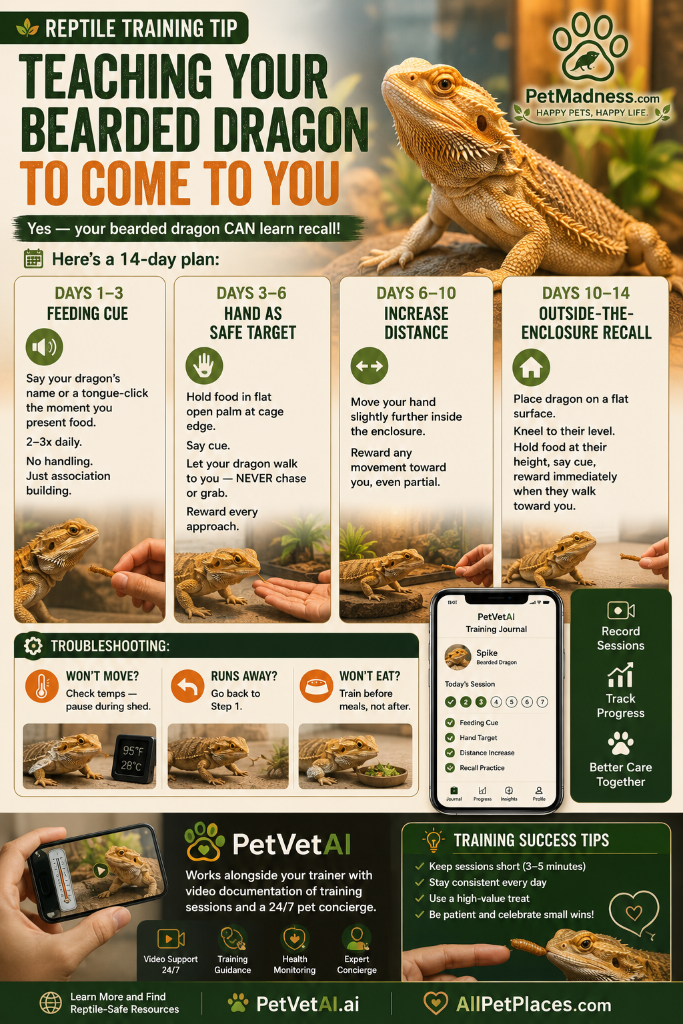
Indoor cats are safer, but only if their days still include the things cats are built to do. A simple guide to hunt-and-eat play, vertical space, scent, and rest.
Toys and foraging get all the attention, but sleep may be the most overlooked form of bird enrichment. Here is why parrots, budgies, and canaries need a long, dark, quiet night, and how to build one.
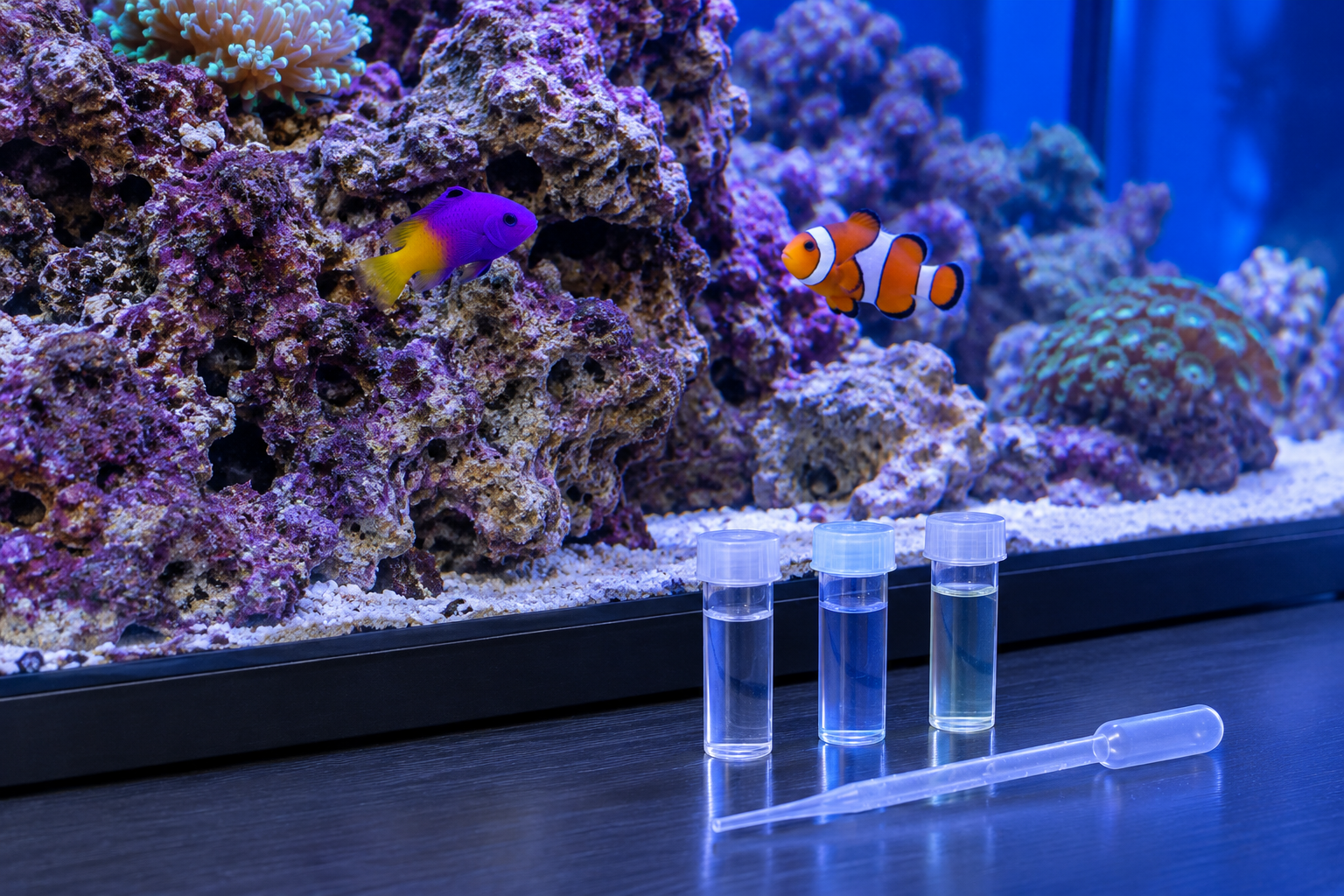
A clean ICP test doesn't always mean a clean tank. A September 27 Reef Builders deep-dive from Interzoo explains how live rock and sand quietly absorb copper, zinc, nickel and other heavy metals for years, hiding them from water tests, until the rock saturates and levels spike. For fish, that can show up as labored breathing, lethargy, poor appetite or head and lateral line erosion long before a test flags anything. This guide covers where hidden metals come from (untested trace dosing, corroding pumps, copper meds in the display), the warning signs in your fish, and a calm step-by-step response. It also shows how PetVetAI.ai helps you track changes alongside your fish store and aquatic vet.
Not every vet treats reptiles. Learn how to find a qualified exotic vet before you need one, what to bring, and how PetVetAI reports help you make every visit count.
Cats hide illness, and a vet sees yours about once a year. Learn the five numbers to track at home for senior cats: weight, resting breathing rate, water intake, litter box clumps, and appetite, and how PetVetAI helps you bring real data to your vet.
Pet food and supplement recalls hit at night and spread fast on social media, and clients call the professional they trust first. This guide shows groomers, trainers and vet clinics how to use AI to answer after-hours questions, send accurate recall notices to the right clients, and turn worried owners into loyal ones. We use this month's Fi supplement Salmonella recall as the example: which lot numbers matter, what clients should do, and how to explain risk without giving a diagnosis. You will learn how AI call answering keeps you from losing clients at 9pm, how documentation tools cut the time spent on client updates, and how PetVetAI reports let owners arrive with the history already recorded. PetVetAI is not a replacement for your vet or trainer; it works alongside them. Includes one thing to do this week and how to get found on AllPetPlaces.com.
Exotic pets — reptiles, fish, rabbits, guinea pigs, chinchillas, and sugar gliders — have some of the most exacting habitat needs in the pet world, and their warning signs are often subtler and faster-moving than a dog's or cat's. This piece walks through the biggest habitat mistakes for each group: temperature and UVB gaps for reptiles, water chemistry drift for fish, and diet and humidity issues for small mammals. It also covers how daily video and photo health checks through PetVetAI, alongside a trusted local network of exotics-savvy vets and stores found on AllPetPlaces.com, help owners catch problems early instead of guessing when something finally looks "off."

Fall mud season brings a predictable wave of farm animal health problems — foot rot, respiratory issues, and parasite flare-ups. Here's the 20-minute weekly walk-through that catches them early, plus how PetVetAI and AllPetPlaces help small farms stay ahead of the barn call.

Indoor cats live longer and safer lives, but a bored cat scratches furniture, overeats, over-grooms, or picks fights. Here's what real feline enrichment looks like — and how to tell bored from sick.

Pet birds are among the most intelligent companion animals we keep, with the cognitive and emotional needs to match — and a cage alone was never going to meet them. This guide covers foraging setups, rotating toy systems, social/vocal engagement for flock-species birds, and the perch variety and flight space that support beak and body health. We cover species differences, signs a bird is under-stimulated versus genuinely unwell, and how PetVetAI's video-based health tracking fits into a daily enrichment routine so behavior changes get caught early.

Thanksgiving is nine weeks away, and the pet-friendly parts of holiday travel sell out first: in-cabin pet spots, pet-friendly hotel rooms, trusted sitters, and boarding kennels. This week-by-week countdown shows pet owners exactly what to book now, what to schedule in October, and what to pack the week you leave. It covers airline in-cabin limits, vet visits and health certificates, the new EU pet certificate that starts October 1, 2026, road-trip planning, choosing between a sitter and boarding, and keeping medical records on hand. You'll also see how PetVetAI works alongside your vet with downloadable health reports and a 2am pet concierge, and how AllPetPlaces.com helps you find pet-friendly hotels, parks, emergency vets, groomers, and boarding along your route. Plan early and your pet's holiday will be as calm as yours.

Cats hide illness better than any animal we live with, and the three diseases that shorten the most feline lives — asthma, kidney disease and diabetes — all announce themselves in tiny daily changes owners forget by the annual exam: a hairball cough that never produces hair, a water bowl that empties faster, a litter box that clumps bigger. This Tuesday blog walks through what each early sign looks like, why the exam room is the worst place to spot them, and how PetVetAI's video and photo symptom capture, resting-breath tracking and downloadable health reports turn scattered observations into a pattern your vet can act on. Not a diagnosis — a head start. Plus where to find a cat-friendly clinic on AllPetPlaces.com before you need one.

The Duffield Foundation just committed $250 million to close a veterinary care gap affecting 50 million U.S. dogs and cats. For groomers, trainers and vet clinics, that gap is also the largest underserved market in pet care — and AI is the tool that makes serving it profitable. This guide shows pet businesses how to use AI call answering and triage to stop losing after-hours clients, how AI documentation cuts the 30–40% of a vet's day spent on records, how groomers and trainers become the early-warning system that catches lumps, limps and coughs first, and how PetVetAI reports let a client arrive with the history already done. Includes the one thing to do this week and how to get found on AllPetPlaces.com by the owners who are searching right now. PetVetAI is not a replacement for your vet or trainer — it works alongside them.
Sugar gliders are marketed as pocket pets and sold at mall kiosks and fairs, and most of them are quietly failing by their first birthday. This guide walks through what the first year really requires: a colony of at least two, a tall cage with room to glide, an 8pm-to-4am activity window, a diet that keeps calcium to phosphorus at 2:1 so hind leg paralysis never starts, monthly weigh-ins on a gram scale, an exotic vet found before you need one, and the fall heating check that keeps a glider out of torpor. It covers the warning signs of the three problems that fill exotic clinics — calcium deficiency, self-mutilation from loneliness, and obesity from fruit-heavy diets — and how PetVetAI's video capture, downloadable reports, and 2am concierge help your exotic vet catch them early. PetVetAI is not a replacement for your vet — it works alongside them. Find exotic vets on AllPetPlaces.com.

Most farm-animal illnesses are found late for one reason: nobody puts hands on the animal until it is already down. This guide walks you through a 20-minute weekly barn check that catches trouble weeks early — the FAMACHA eyelid check for worm load, the jaw-to-flank lump sweep that finds caseous lymphadenitis before an abscess ruptures, hooves and gait, body condition scoring by hand, the chicken keel-and-vent check, the pig breathing count, and the mini-horse gut-sound listen. It covers what to write down, the numbers that mean call the vet, and how a dated photo log in PetVetAI turns a vague worry into a trend your vet can act on the same day. PetVetAI is not a replacement for your vet — it works alongside them with video and photo capture, downloadable health reports, and a 2am pet concierge. Not a diagnosis — a head start. Find large-animal and mobile vets on AllPetPlaces.com.

APPA's new 2026 Cat Report says 53 million U.S. households now own a cat and homes with three or more cats are up 45% since 2018. That is great for cats — and a real challenge for cat health, because a cat hides illness and a crowd hides it better. This guide lays out the resource math that keeps a multi-cat home healthy: the "one per cat plus one" rule for litter boxes, water stations and resting spots; why food bowls must be separated and measured per cat; the vertical territory that stops silent bullying; the enrichment rotation that prevents boredom-driven aggression; and how to tell *which* cat is sick when the evidence lands in a shared box. Includes the early warning signs of stress, the fix for outside-the-box accidents, and how PetVetAI's per-cat video and health reports help your vet stage a problem before it becomes an emergency. Not a diagnosis — a head start.

Companion parrots are wild animals with a toddler's intelligence and a prey animal's nerves — and most of them spend 10 hours a day in a cage with a mirror and a bell. The result is feather plucking, screaming, biting, obesity and a shortened life. This National Pet Bird Day guide explains why enrichment is not a luxury but preventive medicine for birds, and lays out a realistic 15-minute daily plan: foraging that replaces the food bowl, chewable destruction toys rotated weekly, a flight or exercise window, five minutes of training, and a real 10–12 hour dark night. It covers what to watch for when enrichment is failing — including the subtle signs that a "behavior" problem is actually a medical one — and how PetVetAI's daily video and weight logging, downloadable reports and 2am concierge work alongside your avian vet. Find avian vets and bird-friendly boarding on AllPetPlaces.com.

A new Dog Aging Project study of 50,000 dogs found that dogs with five or more chronic conditions are more than twice as likely to die in a given year — because arthritis, obesity, dental disease, and cancer compound each other. That does not mean your senior dog's traveling days are over. It means travel needs a plan. This guide walks through how to build a one-page medical travel file, pace a road trip around arthritis and medication schedules, pick a pet-friendly hotel that actually works for an old dog, locate the emergency and specialty vets along your route before you need them, and use daily video check-ins to catch a change early instead of on the drive home. Includes the exact questions to ask a hotel, the packing list vets wish you used, and how PetVetAI and AllPetPlaces.com turn a stressful trip into a documented, low-risk one.

Your cat sees the vet once a year. Ringworm, lumps, weight loss, and coat changes show up over weeks, and cats hide them until they are advanced. This article explains why the most powerful early-warning tool in pet health is not a gadget but a consistent monthly photo and video record — the same place, the same light, the same angle — and how PetVetAI turns those captures into a dated health report your vet can actually use. Learn the six things to capture every month (body from above, face, ears, paws and claws, a 30-second breathing clip, and the scale reading), the changes that should trigger a same-week appointment, and why "it looks smaller, I think" is the phrase that delays diagnosis. PetVetAI is not a replacement for your vet — it works alongside them. Not a diagnosis — a head start.

Rabbits are the third most popular pet mammal in the United States, and most of them come home to owners who were told they are "easy starter pets." They are not. A house rabbit is an intelligent, social, hay-powered prey animal with a digestive system that can shut down in 12 hours and a set of needs that look nothing like a hamster's. This guide walks through the ten mistakes exotic vets see most often in a rabbit's first 30 days — the wrong cage, the wrong diet, the wrong litter, the "bonding" that backfires, the temperature no one checked — and what to do instead. It also covers the weekly weigh-in that catches problems early, the first-week vet visit that most owners skip, and how PetVetAI.ai and AllPetPlaces.com fit into a rabbit's daily care. Not a diagnosis — a head start.

Bringing home a rescue goat, pig, sheep, rooster, or mini horse is the most rewarding thing a small farm can do — and the riskiest month on the calendar for the animals you already have. This guide walks through the first 30 days step by step: the 30-day quarantine that protects your herd from orf, foot rot, lice, CL, and respiratory disease; the Day-1 health baseline (temperature, breathing rate, body condition, FAMACHA, hooves, and a full-body photo set) that turns "I think she's worse" into a number your vet can act on; the vet visit checklist for an animal with no history; and the trust-building schedule that lets you do all of it without a rodeo. Includes species-specific notes for goats, sheep, pigs, poultry, and mini horses, plus how PetVetAI's video capture and downloadable reports fit alongside your vet. From the Pet Madness team — a portion of growth supports rescues.
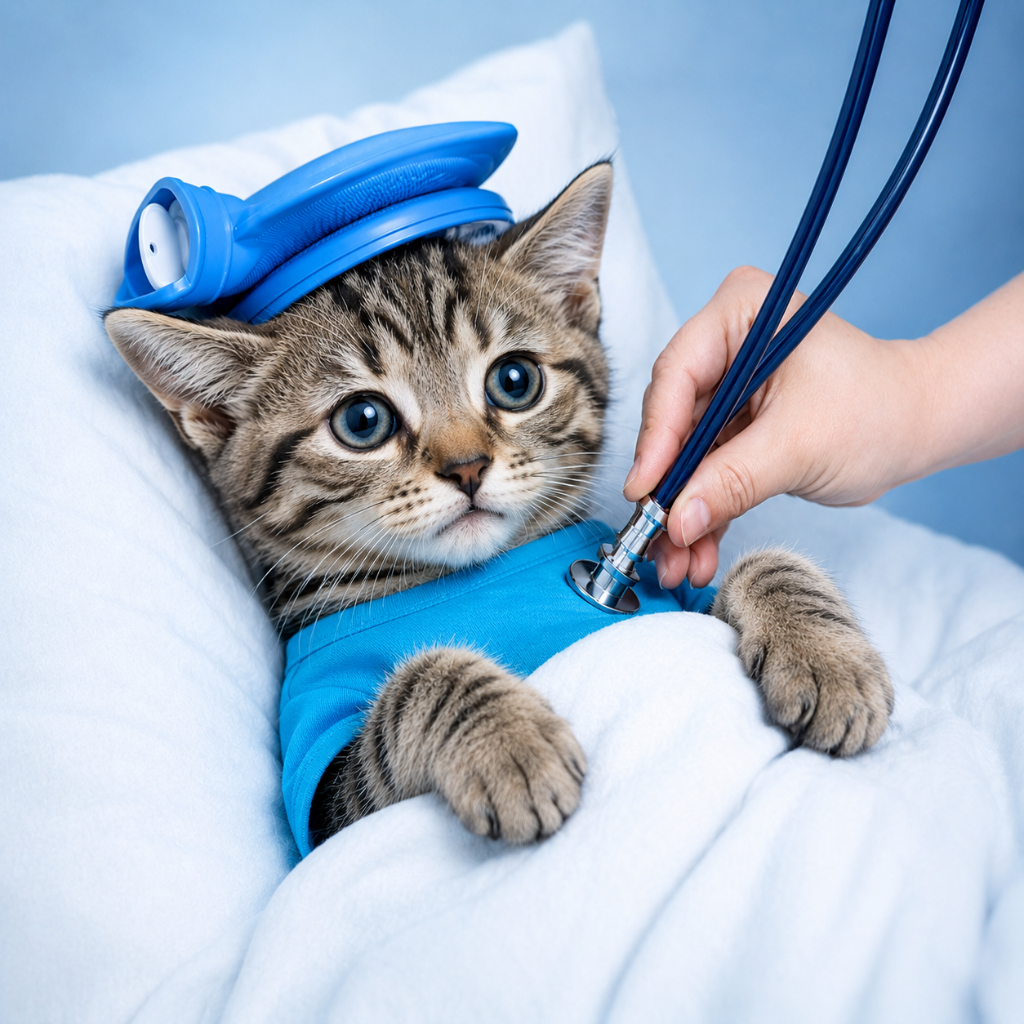
Two cats who "used to get along" rarely fall out over personality. They fall out over resources. This guide lays out the n+1 rule veterinary behaviorists use — one more litter box, feeding station, water source, scratching post, and resting spot than you have cats — and explains why placement matters more than count. Learn how to map your home's chokepoints, split resources across separate rooms so no cat can guard them all, add vertical territory that doubles your square footage, and run a proper time-share for a cat that blocks the hallway. Includes the four signs of silent tension (staring, blocking, ambushing, and one cat suddenly urinating outside the box), what to do the week a fight breaks out, and when a change in one cat's behavior is a medical problem, not a social one. Plus how PetVetAI.ai video capture and health reports help you tell the difference before it costs you a vet bill.
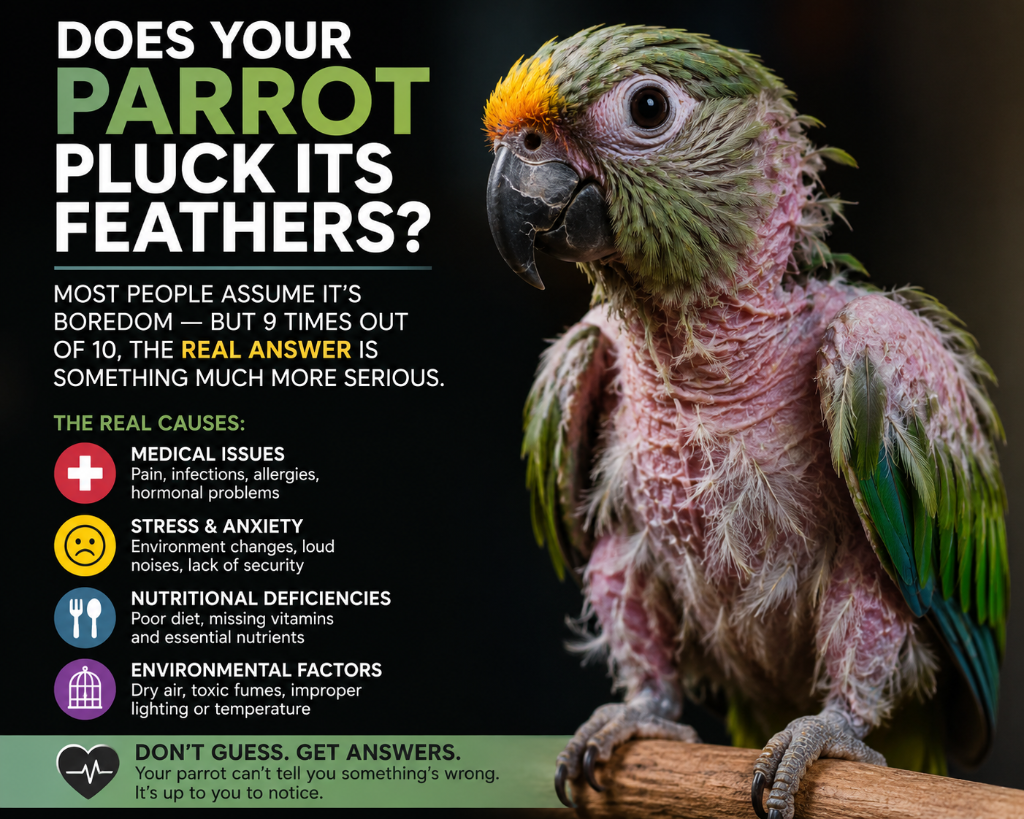
Most parrot cages are set up the same way: one perch across the middle, a food bowl, a water bowl, a mirror, and a bell. Then the owner wonders why the bird screams at 6am and has plucked its chest bare by winter. This guide walks through the seven zones every parrot cage needs — sleep, eat, forage, chew, climb, bathe, and watch — and explains what goes in each, why perch placement matters more than perch count, and how to rotate toys so the cage never goes stale. It covers budgies through macaws, lists the items to remove today (mirrors, sandpaper perch covers, dowel-only perches), and includes a weekly 15-minute rotation routine. Finish with the daily observation habit that catches illness early, and how PetVetAI.ai's video capture and health reports help you bring real data to your avian vet. A bird that is busy is a bird that is healthy.
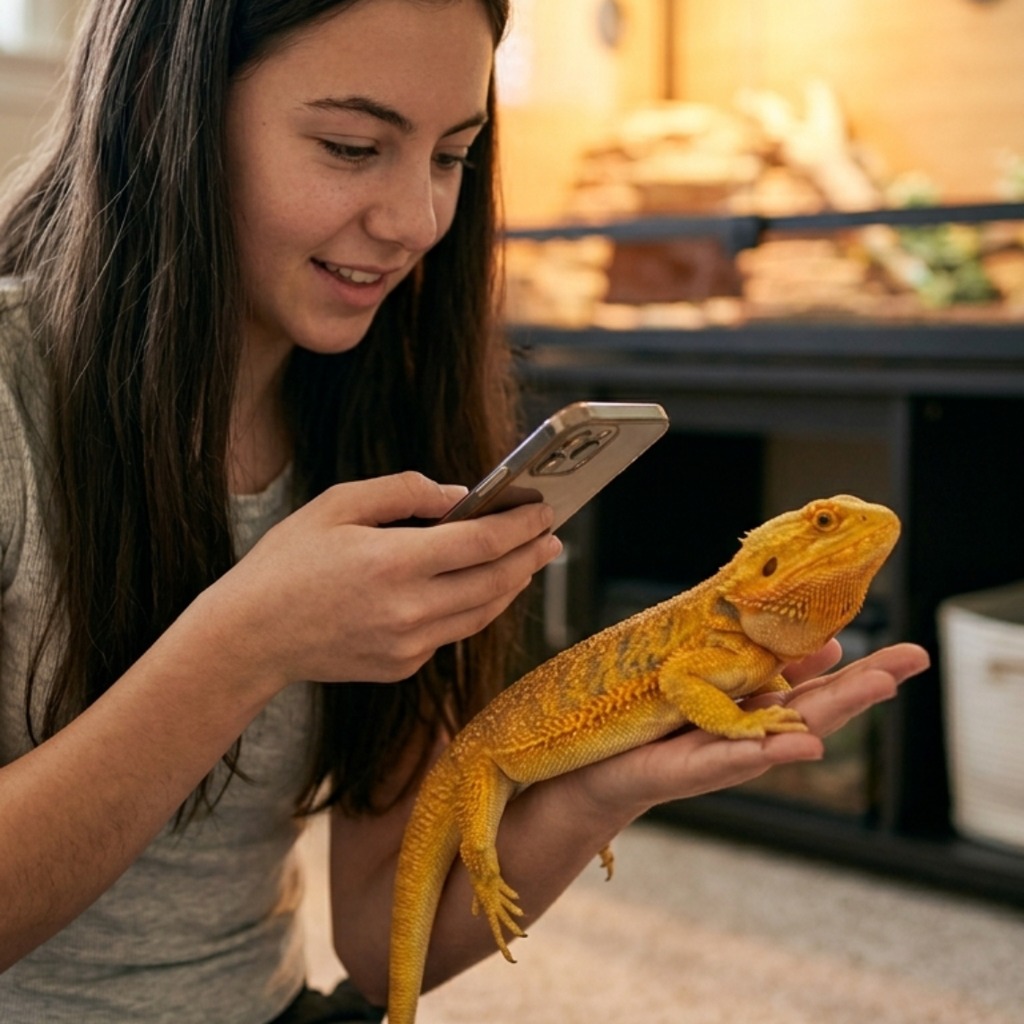
Can you fly with a bearded dragon, a ball python, or a tortoise? Almost never — most U.S. airlines refuse reptiles in the cabin and as checked baggage, which means real reptile travel happens by car. This guide walks through what actually works: how to build a travel enclosure that holds heat, how to manage basking and UVB across multi-day drives, which laws and health certificates apply when you cross state lines, how to set up a hotel room so your reptile digests dinner, and when to leave the animal home with a sitter instead. It also covers the health blind spot of travel — metabolic bone disease and dehydration creep in quietly when routines break — and how to use AllPetPlaces to find pet-friendly hotels and exotics vets on your route, and PetVetAI to keep a shareable health report in your pocket for a vet you have never met. Not a diagnosis — a head start.
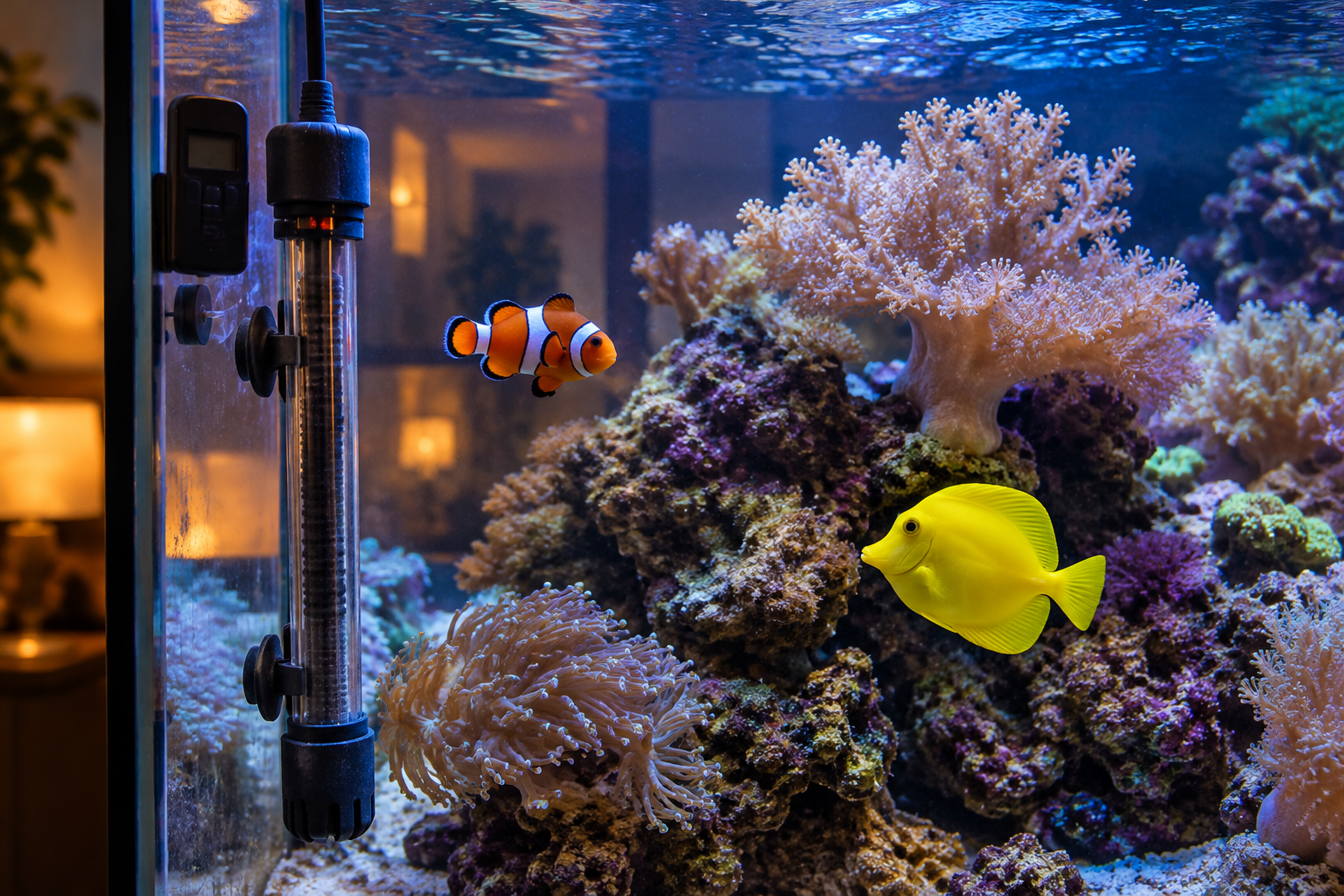
The saltwater trade press was quiet on fish health this week, but September is when many reef keepers lose fish — not to a heatwave, but to the first cold nights of fall. Room temperatures drop, heaters that sat idle since April switch on (or fail), and tank temperature starts swinging 3–5°F a day. That swing suppresses fish immunity while accelerating parasites like Cryptocaryon (ich) and marine velvet. Here is a practical September checklist: heater testing, controller alarms, what a temperature-stressed fish looks like, and how daily photos and video with PetVetAI.ai help you catch flashing, clamped fins and rapid breathing days before a visible outbreak — alongside your fish store and aquatic vet.
Chronic kidney disease is the leading cause of death in senior cats, and a low-phosphorus renal diet is the single best-evidenced way to slow it — if the cat will eat it. Today a board-certified veterinary nutritionist told dvm360 what owners need to hear: the switch can take two months, and that is fine. This guide explains why the food matters more than a menu choice, why cats refuse it (neophobia and nausea-driven food aversion), and gives the full six-stage transition plan with the three-day rule, the warming and texture tricks that work, the never-let-a-cat-skip-a-day safety limit, and the phosphate-binder plan B. It also covers what to track at home — weight, water, litter, appetite — and how PetVetAI turns that log into a report your vet can act on. Not a diagnosis, a head start.
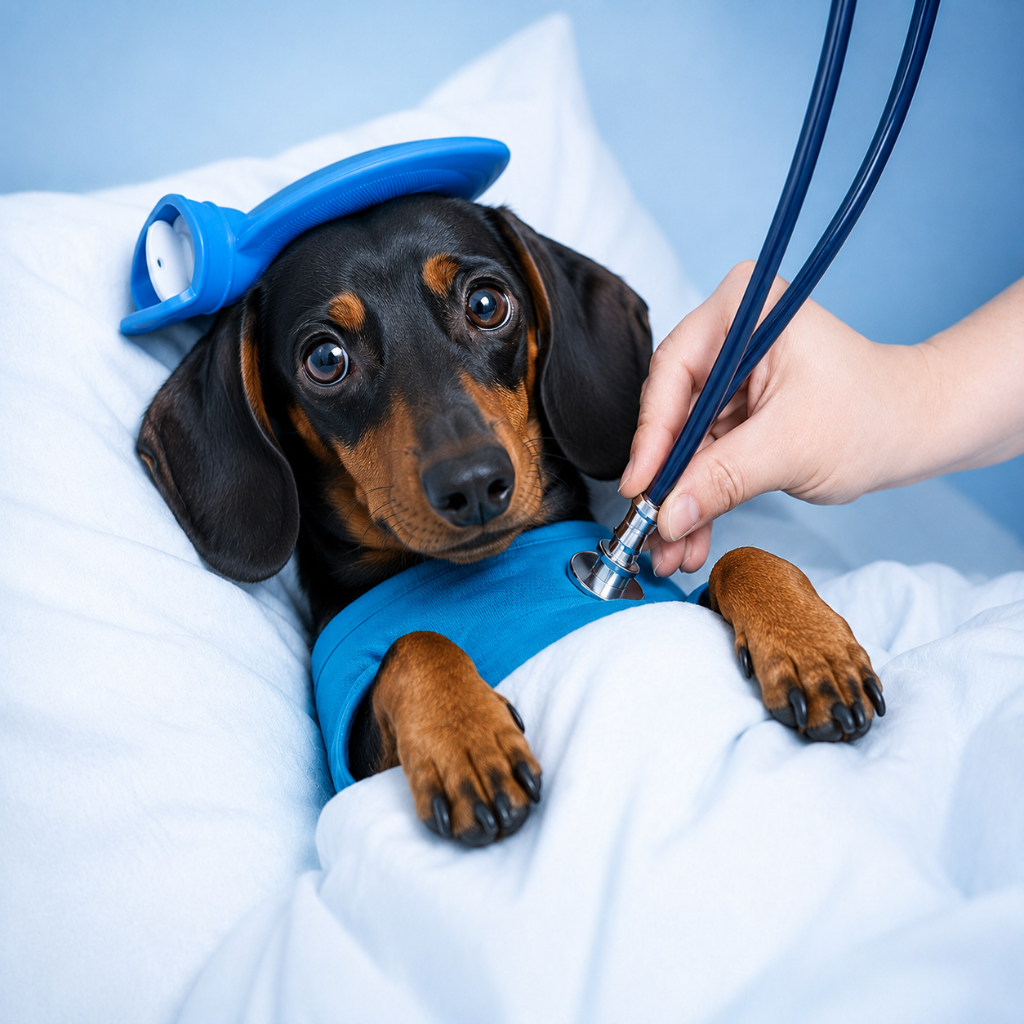
Fifty-nine percent of American dogs are overweight, and almost none of their owners know it. The people who do notice are the ones who see the dog every six weeks: the groomer who lifts him onto the table, the trainer who watches him quit halfway through a session, the vet who reads the scale once a year. This Labor Day blog is for those businesses. It walks through how AI photo and video capture turns a groomer's "he feels heavier" into a documented body-condition timeline, how trainers use session footage to flag mobility changes before they become injuries, and how vets get a year of data instead of one weigh-in. It covers the exact workflow, the conversation script for a delicate topic, and how PetVetAI and AllPetPlaces turn early detection into client loyalty and revenue — without the business ever having to diagnose anything.
Hedgehogs foam at the mouth and rub spit on their spines. Ferrets bite, steal socks, and sleep so hard you check their pulse. Most of that is normal — and a few of those behaviors are the first sign of wobbly hedgehog syndrome, adrenal disease, or insulinoma. Here is how to tell the funny-normal from the funny-not-normal in the two exotic pets most owners bring home without a manual, plus the fall checklist every hedgehog and ferret owner should run this month before the first cold night. PetVetAI.ai turns your phone video into a dated report your exotic vet can use; AllPetPlaces.com finds the vet, sitter, and boarding that actually treat these species.
The switch from pasture to stored feed is the most dangerous month of the farm-animal year, and almost every emergency it produces is a feeding mistake, not bad luck. This guide walks through the five that fill large-animal vets' trucks every fall: the moldy or wet bale that causes listeriosis in goats and sheep, the sugar-loaded fall grass that triggers laminitis in ponies and minis, the treat-driven obesity that blinds and cripples pet pigs, the copper mix-up that poisons sheep on goat mineral, and the molt-season protein gap that stalls backyard hens. For each one: what goes wrong, the early warning signs to watch for, and the fix. Plus how PetVetAI.ai helps you document changes in weight, gait, and appetite between vet visits, and how AllPetPlaces.com helps you find large-animal vets, feed stores, and hay suppliers before the first cold night.
Indoor cats live longer than outdoor cats, but they also sit more, eat more, and get diabetes more. Feline diabetes now affects roughly 1 in 200 cats, and the single biggest controllable risk factor is obesity. This guide turns enrichment into prevention: how to move a cat's meals from a bottomless bowl to a "hunt" of measured portions, the 10-minute play formula that burns calories without you leaving the couch, vertical territory and window stations that turn a sedentary cat into a patrolling one, and the weekly weigh-in that catches problems months early. It also explains the early warning signs of feline diabetes — extra thirst, extra urine, weight loss with a big appetite — and what the new 2026 AAHA feline diabetes guidelines mean for treatment. PetVetAI works alongside your vet with photo and video capture, downloadable reports, and a 2am concierge. Find cat-friendly vets and sitters on AllPetPlaces.com.
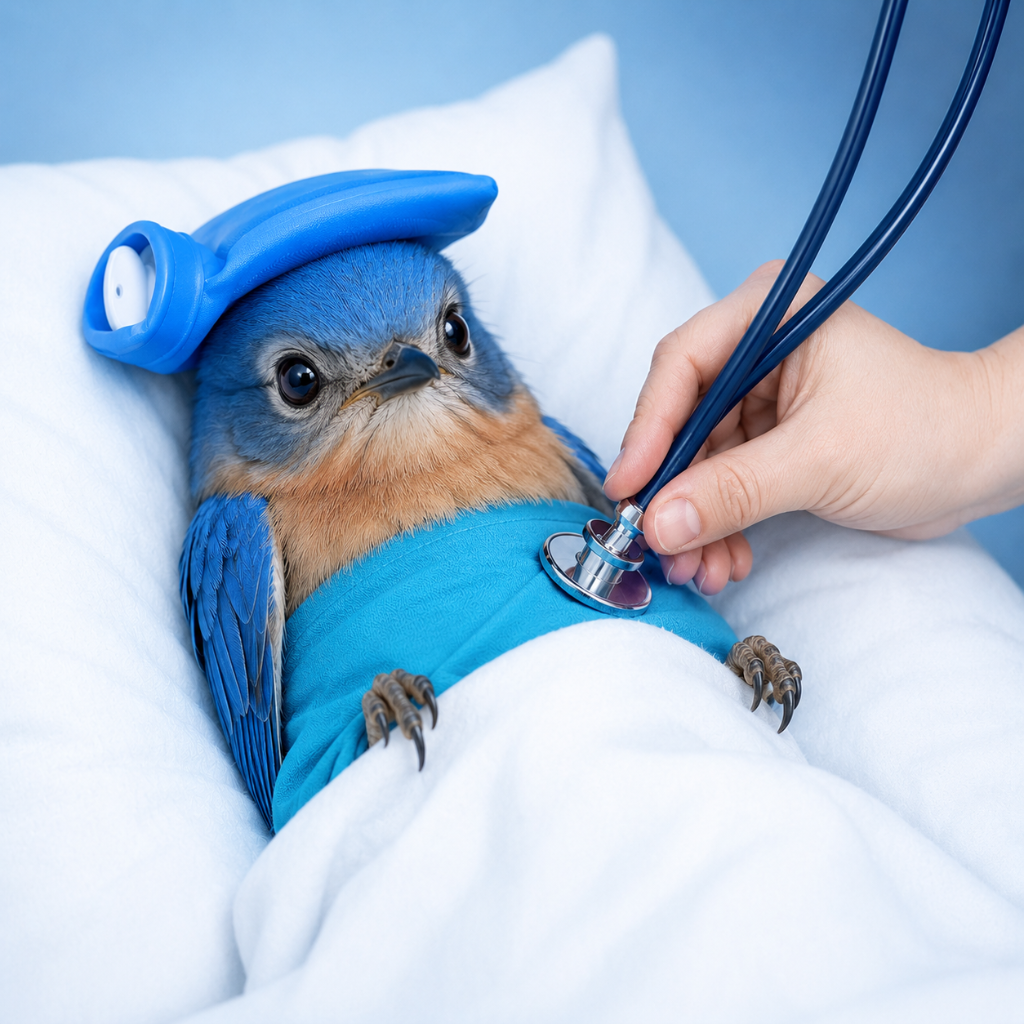
National Pet Bird Day is September 17, and the best gift for a companion bird is not a new toy — it is an owner who checks the right five things every morning. Birds are prey animals that hide illness until they cannot, and the diseases that kill pet parrots most often — proventricular dilatation disease, liver disease, chronic malnutrition — show up first as tiny changes in weight, droppings, and behavior. This guide lays out a 90-second daily routine: the gram scale, the droppings check, the eye-and-nostril look, the breathing count, and the enrichment test, plus the weekly extras and the once-a-year avian vet visit. Includes exactly how to log each check with PetVetAI.ai so your avian vet gets a dated record instead of a memory, and how to find an avian vet or bird sitter on AllPetPlaces.com. Not a diagnosis — a head start.
Fall travel season and reptile heating season arrive at the same time, and that is exactly when most reptile emergencies happen at home while the owner is away. This guide covers the two decisions every reptile owner faces before a trip: whether to board or leave the animal home with a sitter, and how to make either option safe. It walks through the fall equipment check that prevents thermal burns and cold stress, what a reptile sitter must be told in writing, how to find boarding that actually knows reptiles on AllPetPlaces.com, and how to use PetVetAI.ai to log weights, photos, and shed cycles so any decline shows up in data instead of a bad surprise on the day you return. Includes species-by-species temperature targets, the 48-hour post-trip check, and the one question that separates a real reptile boarder from a place that will "figure it out."
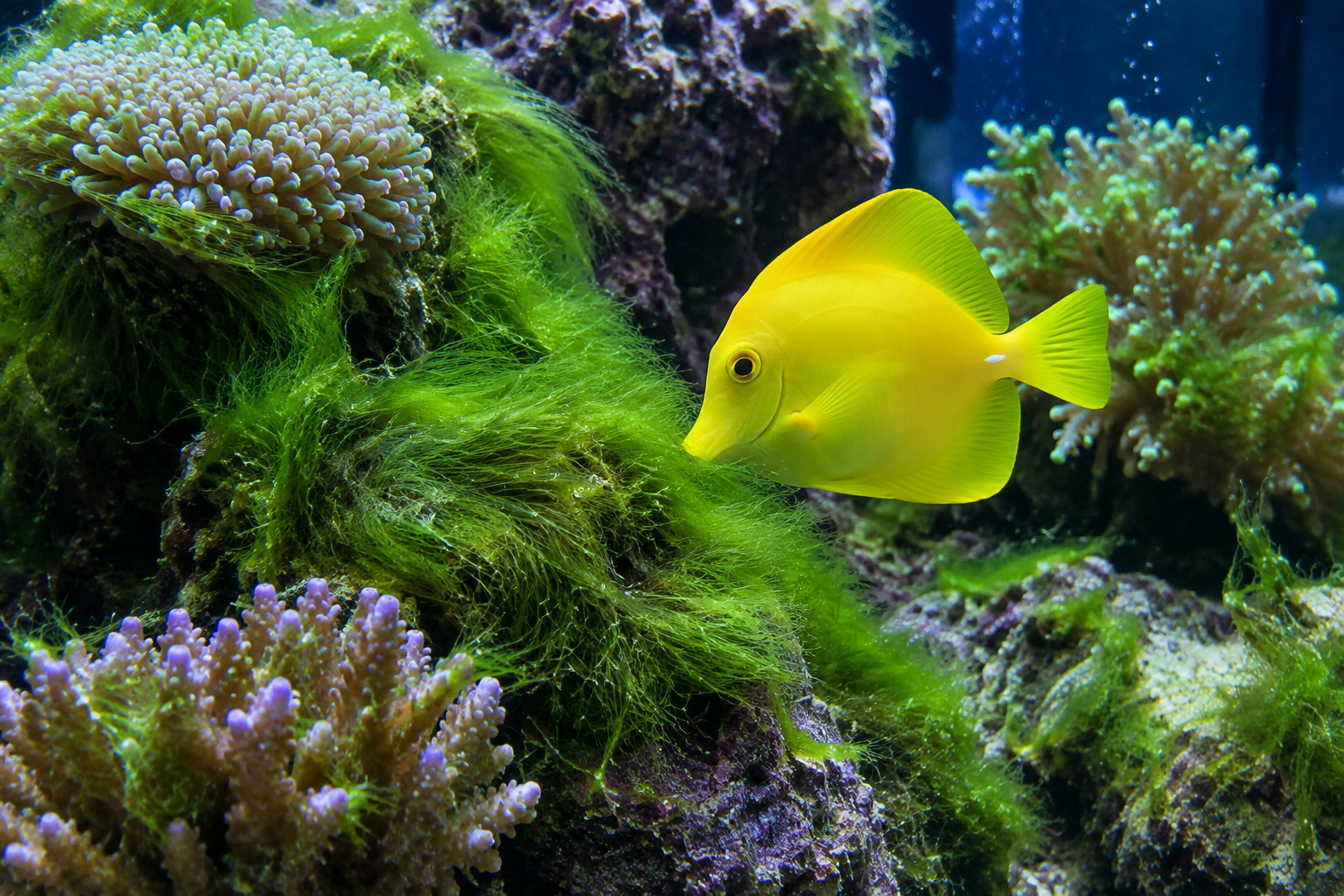
Hair algae is the topic of the week in the reef trade press, with Tidal Gardens and reefs.com both publishing new guides on beating late-summer blooms. Most advice focuses on ugly rocks — but a bloom changes what your fish breathe, especially in the hour before lights-on. Learn why algae and dinoflagellates cause dawn oxygen crashes, pH swings and toxin exposure, the four fish warning signs to watch for (gasping at the surface, hiding, flashing, dull color), and a practical plan to beat the bloom without stressing your livestock. Includes how PetVetAI.ai helps you track subtle changes in fish behavior alongside your local fish store and aquatic vet.
Cats are built to hide illness, and the emergencies that kill them fastest are the ones that look most ordinary. A male cat straining in the litter box looks exactly like a constipated cat — but a complete urinary blockage can be fatal in 24 to 48 hours. This guide breaks down why feline emergencies stay invisible until they're critical, the specific behavioral changes that mean more than they appear to, the four conditions that hide behind "he's just being a cat," and a practical monitoring system any owner can run at home. Learn what to photograph, what to film, what to write down, and what to bring to your vet. PetVetAI is not a replacement for your veterinarian — it works alongside your vet with video symptom capture, downloadable health reports, and a 2am pet concierge. Your vet sees your cat once a year. You see him every day.
Rabbits, guinea pigs, ferrets, reptiles, and birds are prey animals, and prey animals that look sick get eaten. Millions of years of selection built pets that conceal pain and illness until concealment stops working — which is why exotic owners so often describe a crisis as "sudden" when it was actually weeks in the making. This guide explains why exotic pets mask symptoms, what the two leading hidden killers really are (progressive dental disease and gut shutdown), and the specific weekly five-minute routine that catches decline before it becomes an emergency: the gram-scale weigh-in, the dropping count, the jawline check, and the appetite log. Learn what a genuine emergency looks like in a small mammal, why the twelve-hour rule matters, and how [PetVetAI.ai](https://petvetai.ai) turns your weekly photos and weights into a dated report your exotic vet can actually use.
Late summer is the hinge of the small-ruminant year. Parasite loads peak, orf and other contact diseases move home from fair season, breeding season is weeks away, and the first cold snap arrives before most barns are ready. Here is the nine-point fall reset every goat and sheep owner should run before October: FAMACHA scoring and a real parasite plan, hoof trimming and foot rot checks, body condition scoring by hand rather than by eye, a quarantine pen that actually exists, breeding-season prep and vaccination timing, mineral and water audits, a fly-control endgame, a winter shelter and ventilation check, and a written baseline for every animal so you can prove what changed. Includes the warning signs that mean call the vet now, plus how PetVetAI.ai helps you document herd changes between visits and how AllPetPlaces.com helps you find large-animal care before you need it.
A bored parrot is not a happy parrot with a bad attitude — it is an intelligent animal with nothing to do, and the behaviors owners call "problems" are usually the symptoms. This guide explains why enrichment is a medical issue and not a luxury for cockatiels, budgies, conures, greys and macaws, and gives you a practical system you can run this week: the four categories of enrichment every bird needs, how to convert the food bowl into a foraging project, why 10 to 12 hours of true darkness changes behavior more than any toy, and how to rotate a small toy collection so it feels new. Includes the warning signs that separate boredom from illness, plus how PetVetAI helps you document behavior changes for your avian vet and where to find bird-savvy services on AllPetPlaces.com.
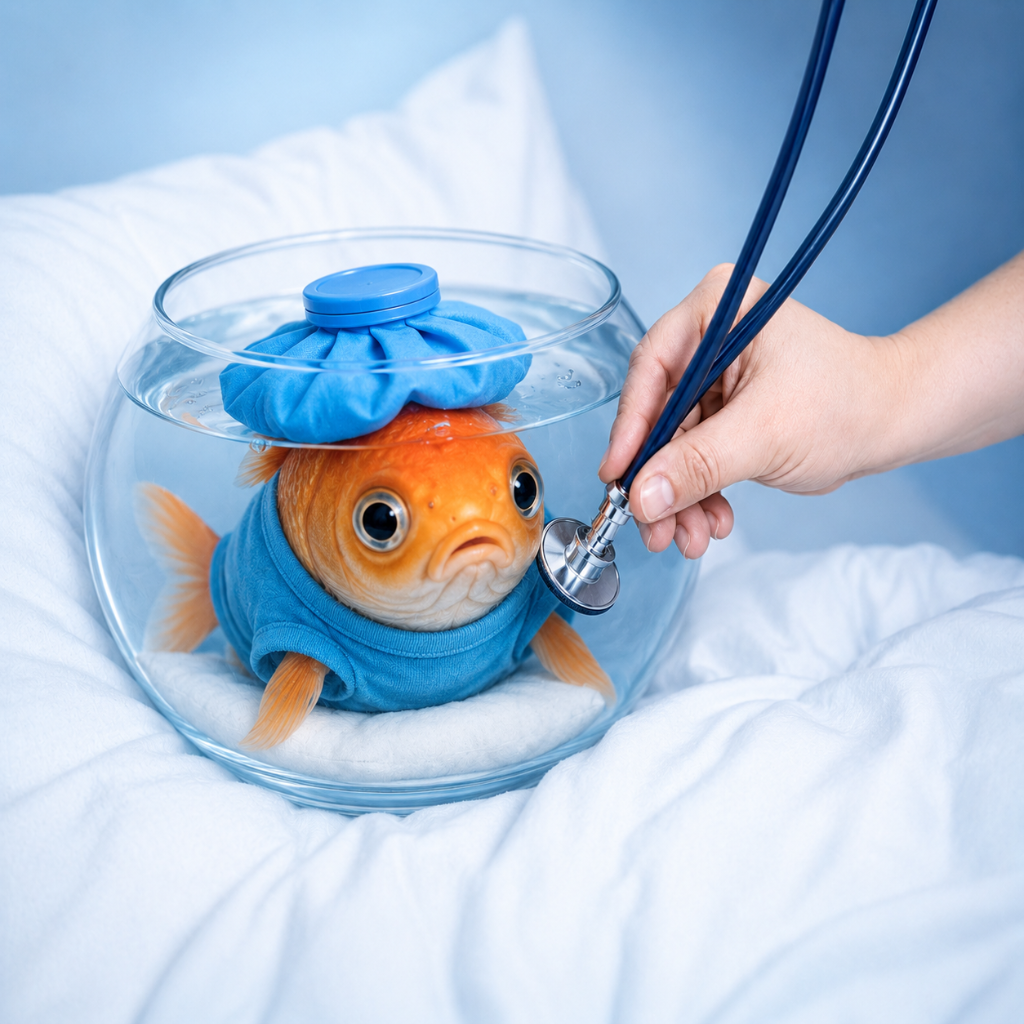
Reef-A-Palooza California hits Anaheim August 29–30, kicking off a run of coral shows and frag swaps that stretches into late September. Show season is the best time of year to score frags and fish — and statistically the worst week of the year for established reef tanks. The problem usually isn't the coral you bought; it's what came home clinging to its plug. This guide covers the five most common hitchhiker pests that ride in from shows, how to dip and inspect before anything touches your display, why the first 72 hours matter more than the next three months, and the specific fish behaviors worth photographing daily so a small problem never becomes a full outbreak.
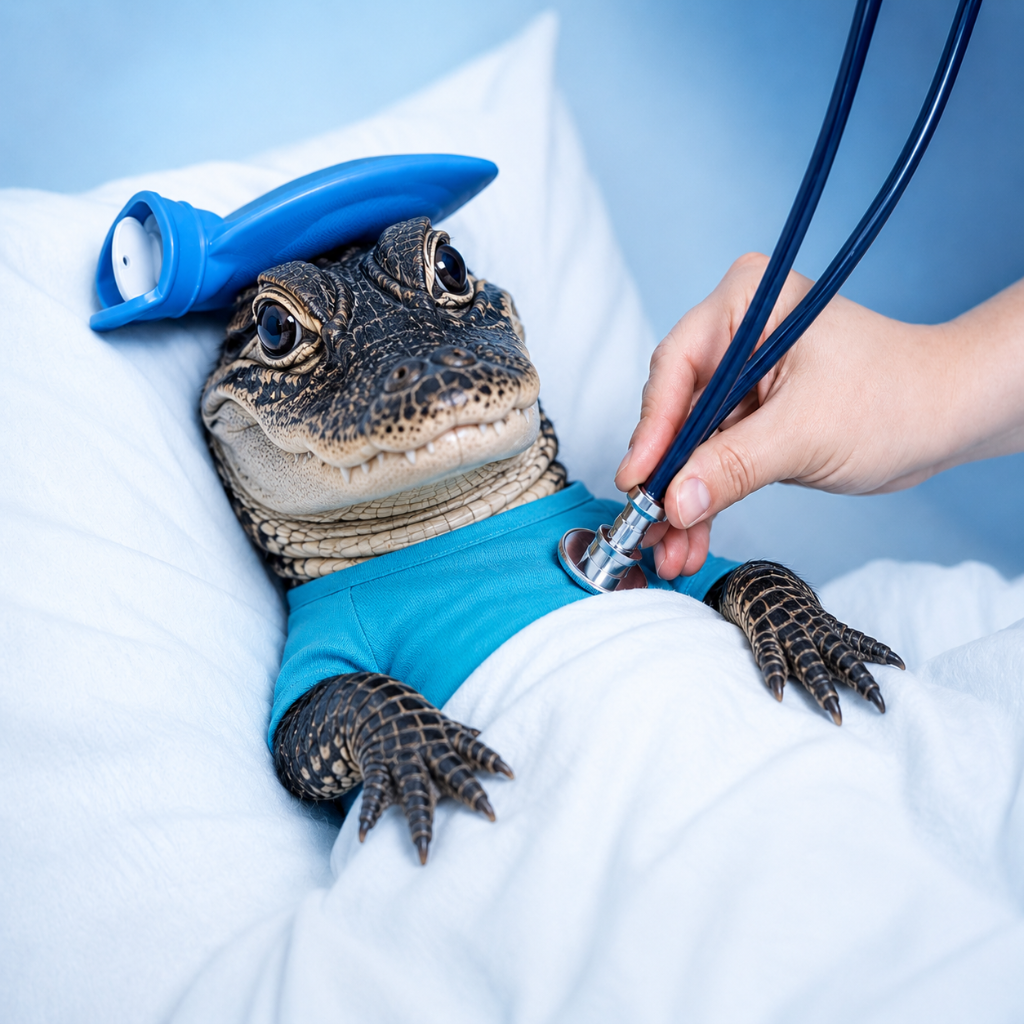
Every few weeks your reptile produces something no other pet does: a complete, physical, external record of the last month of its life. A shed is a health report — and dysecdysis, or stuck shed, is one of the earliest visible signals that something in the enclosure, the hydration, or the animal itself has gone wrong. This guide explains what a normal shed looks like by species, the twelve warning signs of a problem shed, why retained shed on toes and tail tips is the most preventable injury in reptile keeping, and the full eight-step protocol for fixing it safely — including why you must never touch retained eye caps. It also covers how to build a photographic shed log with PetVetAI so your exotics vet gets dated evidence instead of your best guess, and how to find a reptile-experienced clinic on AllPetPlaces.com before you need one.
Cats are evolutionary masters at hiding illness, and the veterinary data shows it: cats visit the vet far less often than dogs, and when they finally arrive, disease is usually well established. This article breaks down the six quiet signals that reliably precede a feline diagnosis — weight drift, water intake, vomiting frequency, litter box changes, grooming decline, and social withdrawal — and explains why each one is invisible to memory but obvious in a log. Learn how inflammatory bowel disease, kidney disease, hyperthyroidism, and diabetes all announce themselves months in advance through changes owners routinely dismiss as aging or personality. Includes a practical monthly monitoring routine, the three numbers every cat owner should track, and how PetVetAI works alongside your veterinarian with video symptom capture and downloadable health reports. Not a diagnosis — a head start, and a better conversation at your next appointment.
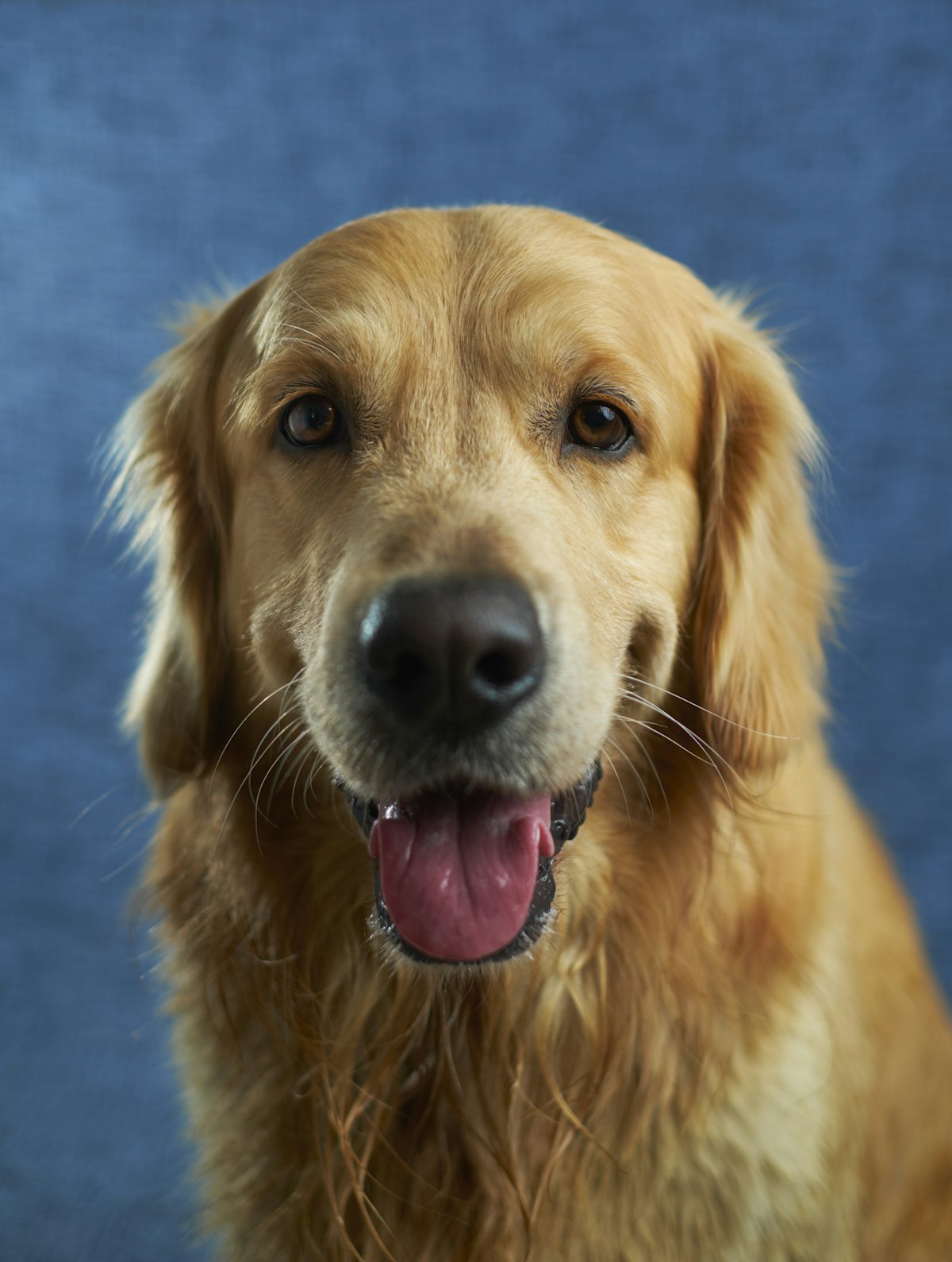
Canine Lyme disease has a cruel design flaw for dog owners: the tick bites in spring and the symptoms arrive in late summer or fall, two to five months later. By then the bite is forgotten, the tick is gone, and the shifting-leg lameness that shows up looks like a strain from the dog park. This guide breaks down the real Lyme timeline, every warning sign including the kidney complications that turn serious fast, and the daily tick-check routine that closes the 36-48 hour transmission window. It also shows how independent groomers, trainers, and veterinary practices are using AI-assisted tools like PetVetAI to build continuous health records between annual visits — turning "he seemed a little off in July" into a dated, documented timeline a veterinarian can act on. PetVetAI is not a replacement for your vet. It's the record-keeping layer that makes the vet's job possible.
A kinkajou rescued off hot Texas pavement this week with burned paws is a warning for every exotic pet owner in America. Exotic and small-mammal species — chinchillas, sugar gliders, hedgehogs, ferrets, rabbits, guinea pigs, and reptiles — evolved inside narrow thermal ranges, and most of them hide distress until the damage is already internal. This guide breaks down the safe temperature and humidity range for each common exotic species, the early warning signs owners consistently miss, the cooling methods that actually work versus the ones that cause fatal shock, and how to build a heat plan for your home before an emergency forces one. Learn why the thermostat on your wall is not telling you the truth about your pet's enclosure, why "he seems fine now" is the most dangerous sentence in exotic care, and how daily documentation with PetVetAI.ai gives your exotics vet something real to work with.
Highly pathogenic avian influenza returned this week, and one of the confirmed flocks had just ten birds — proof that small flock size offers no protection when fall wild-bird migration is underway. This complete fall playbook for backyard chicken, duck, and small-livestock owners covers the biosecurity habits that actually reduce risk, why covered feed and water matter more than fencing, how a 30-day quarantine protects the whole flock, and the early warning signs of illness that appear days before a bird looks obviously sick. It also walks through late-summer egg-laying problems — soft shells, thin shells, and egg binding — and the calcium, light, and heat-management fixes behind them. Learn how PetVetAI.ai works alongside your veterinarian with video symptom capture, downloadable health reports, and a 2am pet concierge, and how AllPetPlaces.com helps you find large-animal vets and trusted local services before an emergency.
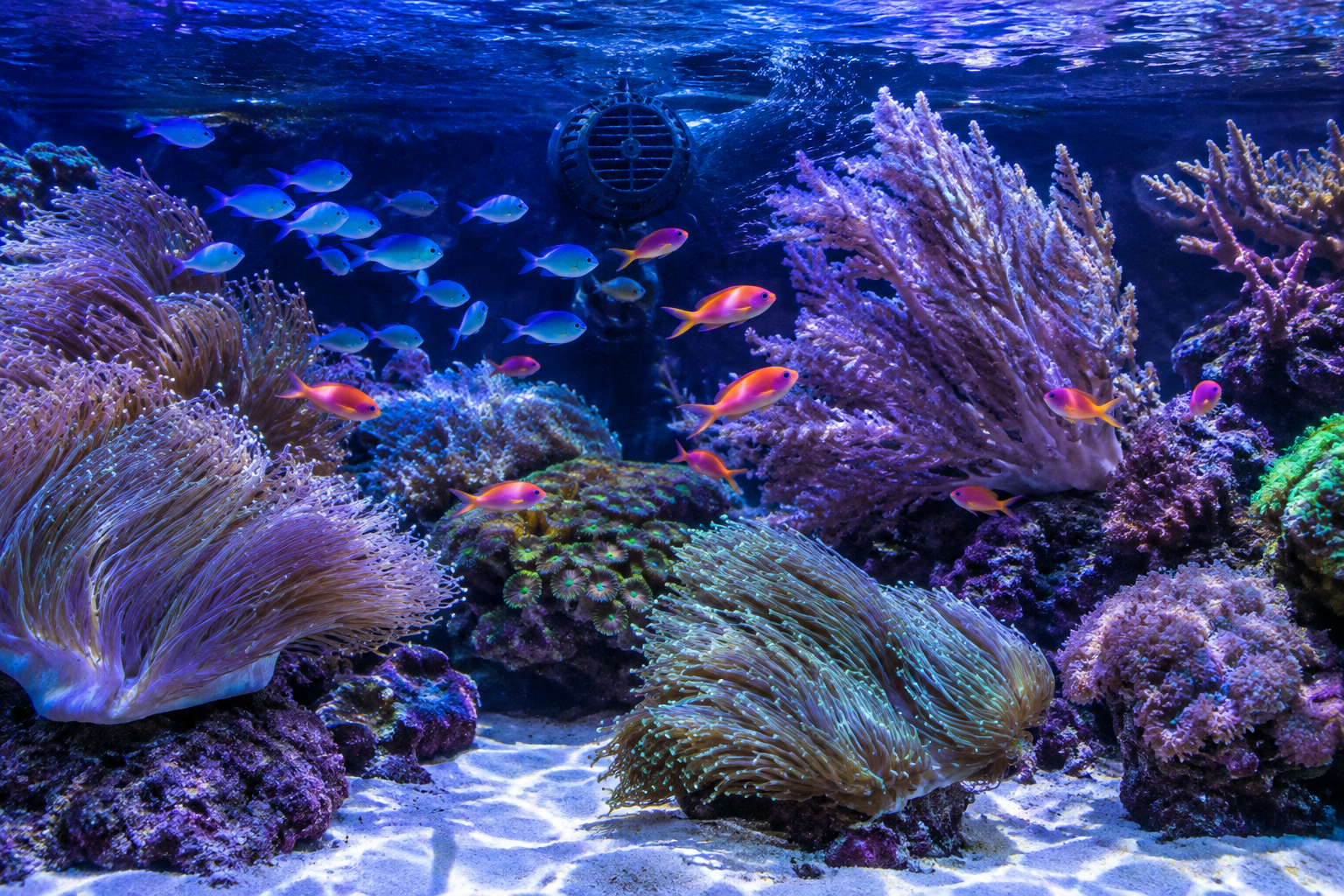
On August 18, Rappin' With ReefBum brought Richard Ross, Joe Yaiullo, and Alex Grah together for a full episode on water flow in a reef tank — a subject with no test kit and no number to check. That makes it easy to ignore, and late August is the worst time to ignore it. Warm saltwater holds less dissolved oxygen, powerheads have been quietly clogging since spring, and dead spots turn into low-oxygen zones exactly where fish rest at night. Here are the behavioral signs of oxygen stress your fish show first — gasping at the surface before lights-on, parking in front of a powerhead, rapid gill movement, clamped fins — plus a six-step late-summer flow audit you can run in twenty minutes.
Most reptile illness isn't infection — it's husbandry. Exotic veterinarians have said it for decades: the overwhelming majority of pet reptiles they treat are sick because of temperature, humidity, lighting, or diet, not because they caught something. That makes reptiles fundamentally different from dogs and cats, where an animal can be perfectly cared for and still get ill. With a reptile, when the animal is sick, the enclosure is usually the patient. This guide walks through the four systems that cause nearly every preventable reptile illness — heat, UVB, humidity, and diet — explains what each failure actually looks like in the animal, and gives you a five-minute weekly audit that catches problems before they become emergencies. Learn why reptiles hide illness so effectively, how to build a health timeline your vet can actually use, and where PetVetAI and AllPetPlaces fit into keeping a cold-blooded pet genuinely well.
By the age of three, roughly 80% of dogs already have some stage of periodontal disease — and most owners have no idea, because dogs hide oral pain until it becomes a tooth extraction or a systemic problem. This guide breaks down the full list of warning signs owners routinely miss, the monthly ten-second lip-lift exam that builds a visual timeline of your dog's gum line, and the daily brushing routine that actually prevents disease rather than managing it. It also looks at the business side: how independent groomers, trainers, and veterinary practices are using AI-assisted photo and video capture to flag oral problems between annual visits, turning a routine grooming appointment into an early-detection touchpoint. PetVetAI is not a replacement for your veterinarian — it works alongside them with downloadable health reports, video symptom capture, and a 2am pet concierge. Not a diagnosis. A head start.
August is the hardest month of the year for small farms and homesteads. Heat stress stacks on top of peak parasite season, wet bedding breeds foot rot, backyard poultry Salmonella outbreaks are at record levels, and the New World screwworm has changed how every wound on the property needs to be handled. This guide walks through the five late-summer problems that put goats, sheep, chickens, pigs, and horses in trouble every year — what the earliest warning signs actually look like, the specific checks to run this weekend, and the point at which you stop watching and call your veterinarian. Includes FAMACHA eyelid scoring for anemia, the four-inch grazing rule, coop biosecurity that actually works, and a wound protocol for screwworm country. Learn how PetVetAI.ai helps you document symptoms and track them between vet visits, and find large-animal vets near you on AllPetPlaces.com.
Coyote attacks on pet cats are continuing in Clewiston, Florida, where officials just budgeted $171,000 for animal control and confirmed two more attacks in July alone. It's a local story with a national pattern behind it — coyotes now live in all 48 contiguous states and have adapted to suburbs better than most owners realize. Meanwhile, new 2026 research from Adelaide University and Companion Animals New Zealand surveyed 87 owners who moved their cats from outdoor access to indoor-only living, and found nearly 70% said the transition was easier than expected, with over a third spending less on vet care afterward. This guide walks through the real risks free-roaming cats face, what the research actually says about how cats adapt, a practical four-week transition plan, and how to build an indoor environment a former outdoor cat genuinely wants to live in — plus how to document the change so you catch problems early.
Birds are constantly communicating through eye pinning, feather position, tail flicks, and a whole vocabulary of chirps and growls. Here's what your parrot, cockatiel, or budgie's body language actually means — and why reading it can help you catch illness or stress before it becomes serious.
Reptile expo season is in full swing across the country this August — Repticon shows in Johnson City, Bradenton, and Fayetteville, plus local exotic pet expos in Jackson and Robstown. If you're thinking about bringing home your first reptile from one of these shows, this guide covers what to research before you go, how to spot a healthy animal at the table, the quarantine and enclosure prep you need before the drive home, and why lining up an exotics-savvy vet in advance matters more with reptiles than almost any other pet. We also cover how PetVetAI.ai gives new owners an early-warning tool for the weeks after adoption, and how AllPetPlaces.com helps you find reptile-experienced vets and pet stores near you.
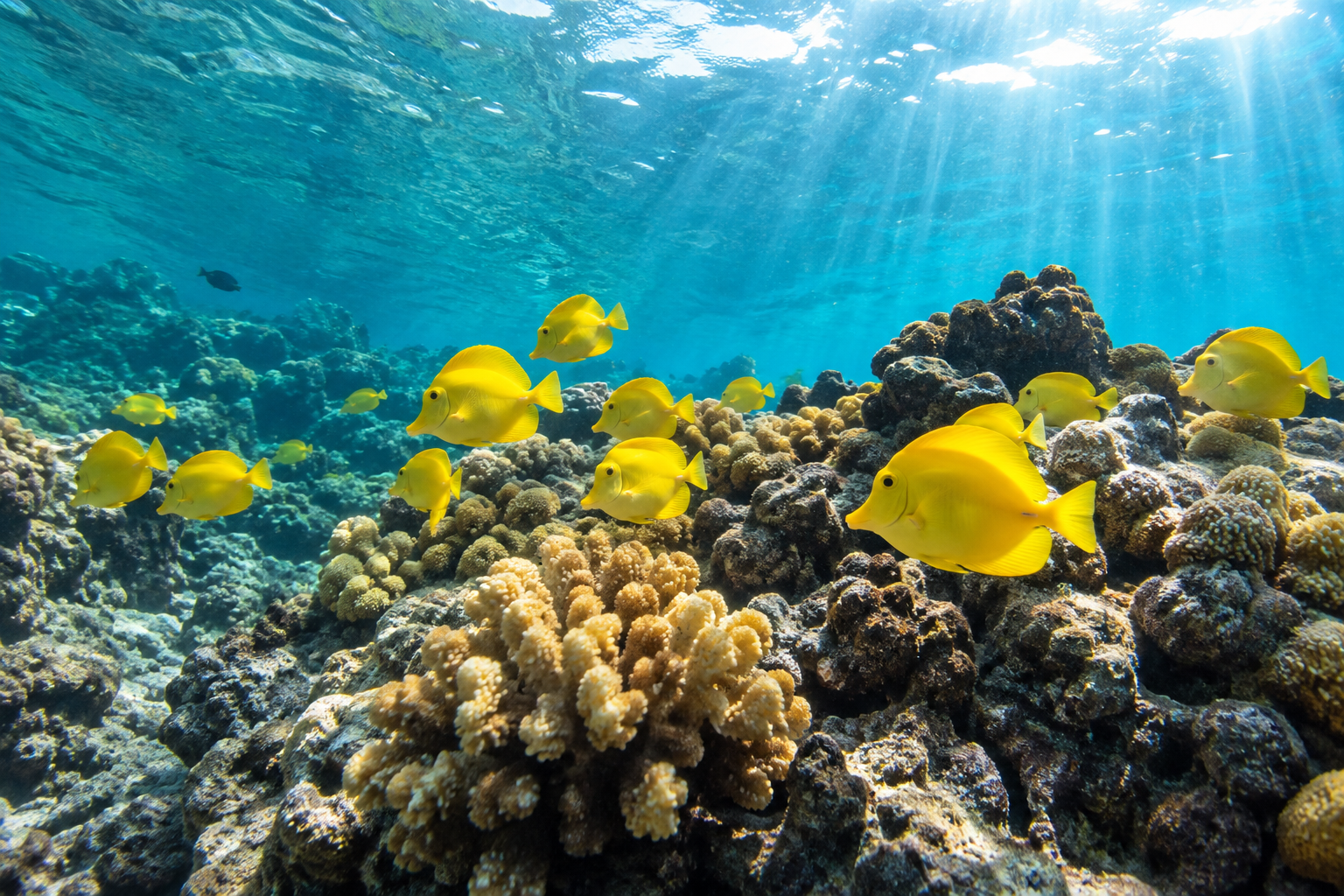
Today, August 12, the Honolulu City Council holds final hearings on Resolutions 26-159 and 26-160, which would push for tougher restrictions on commercially collecting native Hawaiian reef fish like yellow tang for the aquarium trade. Whatever the outcome, the debate is a reminder that where your fish come from matters — and that every new arrival, wild-caught or captive-bred, carries real health risk if it skips proper quarantine. This guide breaks down the Honolulu hearing, why sourcing is shifting toward captive-bred stock industry-wide, and the quarantine and early-symptom-watching habits that prevent the two fastest-killing saltwater diseases, ich and marine velvet, from ever reaching your display tank. It also covers how PetVetAI.ai supports that daily monitoring habit and how AllPetPlaces.com connects owners to local marine experts.
Most pets see a vet once a year, but health problems don't wait for an annual appointment. Learn how PetVetAI.ai uses video and photo symptom capture, AI-assisted analysis, and downloadable health reports to help pet owners catch subtle changes — limping, skipped meals, altered breathing, behavior shifts — early enough to matter. PetVetAI isn't a diagnosis and isn't a replacement for your veterinarian; it's a bridge that documents what's happening between visits so your vet has real data instead of a foggy memory of 'he's been off for a few days.' Discover how early detection tools, a 2am pet concierge, and shareable reports are changing what preventative pet care looks like — and how AllPetPlaces.com helps you find the right vet, groomer, or boarding provider once you know what you're dealing with.
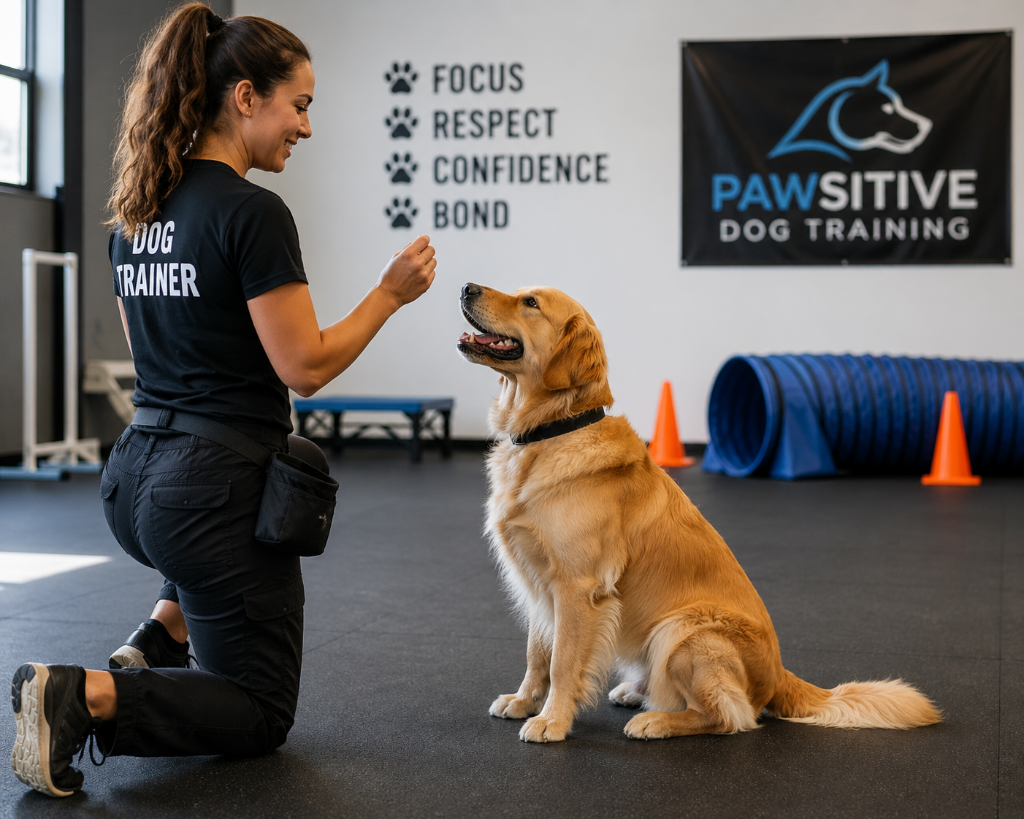
Independent groomers, trainers, and veterinary clinics are under more pricing and staffing pressure from corporate chains than ever in 2026 — but AI is quietly leveling the field. This guide breaks down how small pet businesses are using AI-powered scheduling, automated review management, AI-driven local search discovery, and integrated lead routing to compete without adding headcount. It covers how the Pet Business AI Hub inside the Pet Madness ecosystem connects independent businesses to AllPetPlaces.com's discovery traffic and PetVetAI.ai's health-conscious pet owner base, turning software that used to be exclusive to big chains into something a two-person grooming shop can run from a phone.
Smart thermostats, automated lighting timers, and remote enclosure monitors are reshaping how reptile, amphibian, and small-mammal owners care for their pets in 2026. This guide breaks down what smart habitat tech does well — stable temperature and humidity, consistent photoperiods, less guesswork for beginners — and where it falls short, especially around behavior and appetite changes that only a watchful owner (or a tool like PetVetAI) will catch. Includes a starter checklist and guidance on finding an exotic-savvy vet through AllPetPlaces.com before you need one in an emergency.
County fair season is peaking across the U.S. — and this week's heat wave, which forced several fairs to pull livestock off the grounds early, is a reminder that show animals need more prep than a good brushing. This guide walks goat, sheep, pig, and mini-horse owners through pre-fair health checks, grooming desensitization, safe trailering, on-site monitoring, and the post-fair quarantine step everyone skips.
Bored cats become destructive, anxious, or overweight cats. This guide breaks down the five pillars of feline enrichment — vertical space, hunting instincts, sensory variety, safe outdoor access, and social interaction — with practical, budget-friendly ways to add each one to your home this weekend. Learn how puzzle feeders slow down fast eaters and reduce obesity risk, why a single cardboard box can rival a $200 cat tree, and how rotating toys weekly prevents the boredom slump so many indoor cats hit. We also cover how to spot early warning signs that boredom has become a health issue, and how tools like PetVetAI can help you track those changes over time instead of guessing.
Bird owners baby-proof for toys and outlets but skip the hazards that actually send pet birds to emergency vets: heavy metals, non-stick cookware fumes, toxic plants, open water, ceiling fans, and window strikes. A room-by-room guide to what's actually dangerous and what to swap in instead.
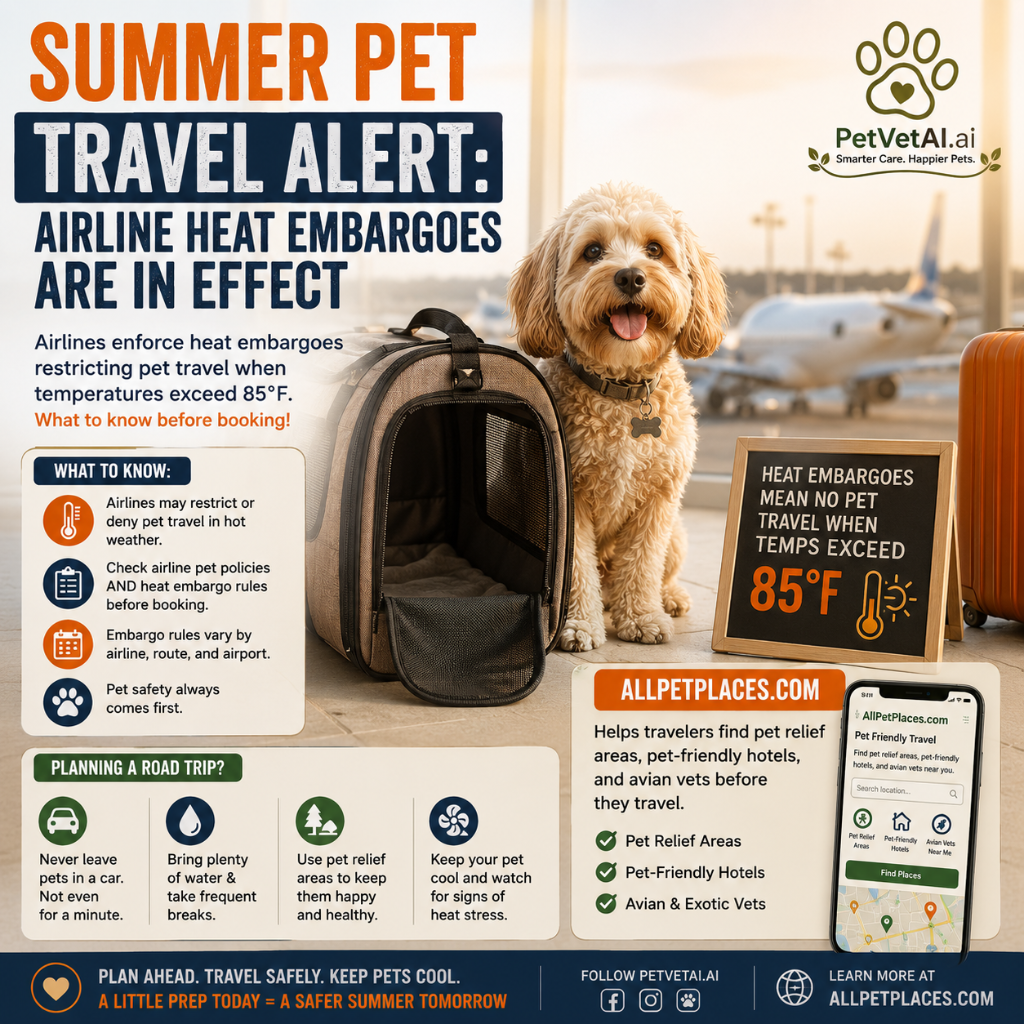
Planning a road trip with your dog, cat, or exotic pet in 2026? Learn how to plan a pet-friendly route from start to finish -- hotels that actually welcome pets, emergency vet clinics along the way, and rest stops worth stopping at -- using AllPetPlaces.com and PetVetAI.ai.
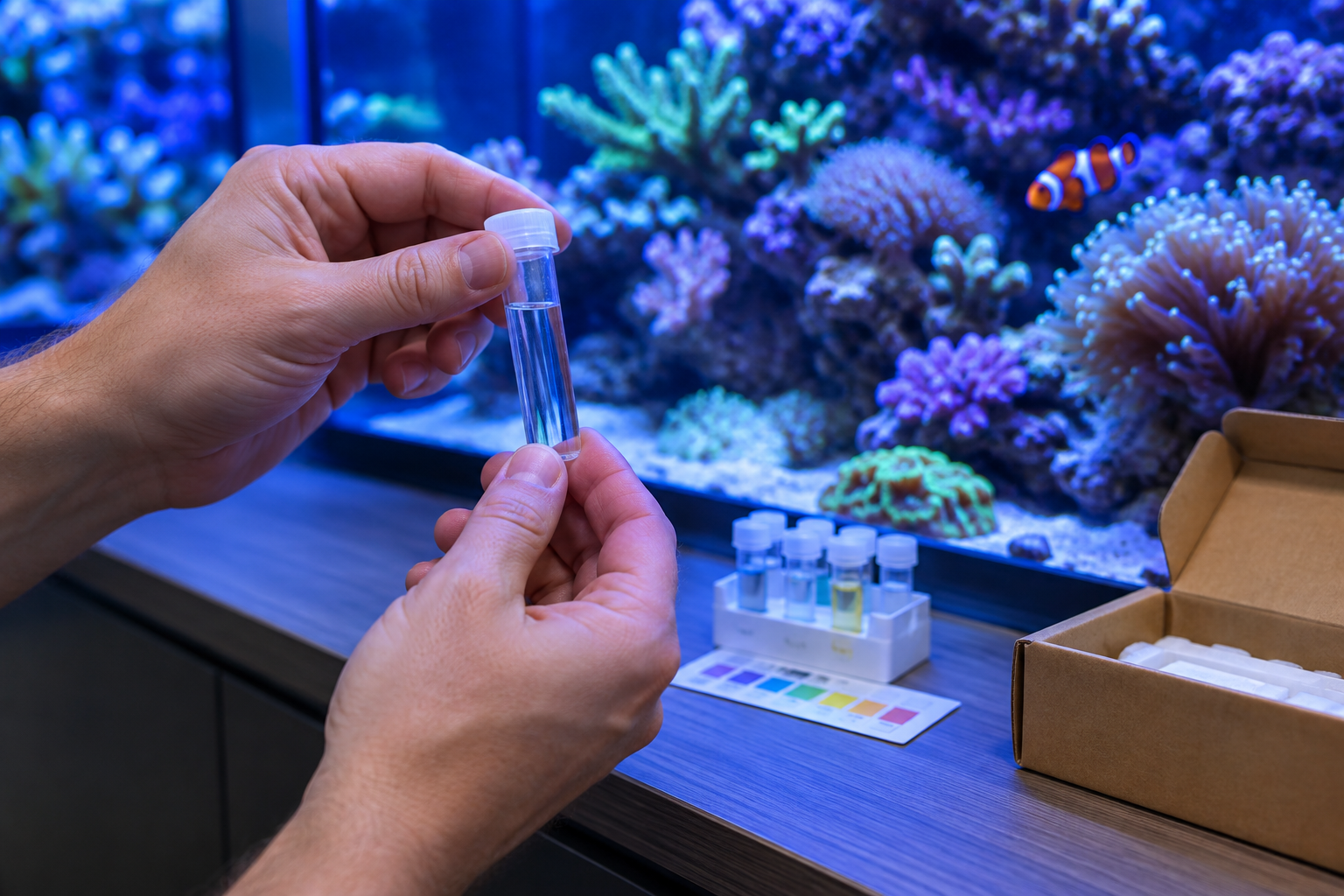
AquaBiomics, the DNA-sequencing lab that let reefers test their tank's microbiome, is shutting down by the end of summer. Here's what the closure means, the deadlines that matter for existing customers, and how everyday hobbyists can still catch fish health problems early.
Cats are hardwired to hide illness — a survival instinct that makes early detection genuinely hard for even attentive owners. Here's the daily-watch checklist that actually matters, and how PetVetAI.ai helps close the 364-day gap between vet visits.
Hip dysplasia affects a huge share of large and giant-breed dogs, but most of the damage is set in motion during puppyhood — long before limping ever shows up. This guide breaks down how growth-plate development, weight, exercise type, nutrition, and genetics interact to shape a large-breed puppy's lifelong joint health, plus the specific warning signs owners should track between vet visits. It covers what 'controlled exercise' actually means for a growing puppy, which supplements have real evidence behind them, how to read a breeder's hip certifications, and why 'wait until they're limping' costs owners thousands in avoidable surgery later. Written for National Dog Month, it also explains how daily AI-assisted monitoring through PetVetAI.ai can catch subtle gait changes early, and how AllPetPlaces.com connects owners to trusted orthopedic vets and canine physical therapists nearby.
Exotic pets are the fastest-growing pet category in America, with 18.5 million U.S. households now owning a reptile, fish, or small mammal — a 38% jump in reptile ownership alone since 2016. But while smart enclosure tech has never been more advanced, health monitoring hasn't kept pace. Here's why the exotic pet boom has a visibility gap, and how PetVetAI.ai and AllPetPlaces.com are closing it.
August is the hardest month of the year on backyard livestock. Goats, sheep, chickens, pigs, and horses can't cool themselves the way dogs and cats do, and heat stress can go from "seems a little slow today" to a genuine emergency in a single afternoon. This guide breaks down the early warning signs of heat stress species by species — panting and drooling in goats and sheep, pale combs and wings held away from the body in chickens, reluctance to move in pigs (who can't sweat at all), and dark sweat patches or elevated respiration in horses — plus the shade, water, ventilation, and timing changes that prevent it. You'll also learn when heat stress crosses into heatstroke and needs an emergency vet call. Learn how PetVetAI.ai helps you document changes over a heat wave, and find local large-animal vets and feed stores on AllPetPlaces.com.
Indoor cats need mental enrichment to stay healthy. Learn how enrichment prevents stress, behavioral problems, and health issues — plus a daily schedule to implement right now.
Learn why bird enrichment is critical for mental and physical health. Discover 5 types of enrichment, DIY toy ideas, foraging techniques, and how to rotate activities to prevent boredom and behavioral problems in parrots, cockatiels, canaries, and budgies. Your bird's mental stimulation is the foundation of long-term health.
Your annual vet visit catches what's already broken. PetVetAI catches it before it breaks. Learn how daily health monitoring and AI-assisted analysis detect early warning signs weeks or months before symptoms show up in the exam room.
Two dog food recalls are active right now — PEDIGREE canned wet food that may contain sharp metal and plastic, and Albright's Raw chicken bricks that tested positive for Salmonella. Most owners find out about a recall weeks late, from a friend, if at all. This playbook covers how to check whether the food in your pantry is affected, why the PEDIGREE recall is unusual enough to warrant a second look, what raw feeding actually requires in terms of handling and risk management, the symptoms that mean call the vet tonight rather than wait until morning, and how to build a five-minute monthly routine that catches recalls before your dog does. Written for dog owners, with links to check every product yourself at FDA.gov, and guidance on documenting symptoms with PetVetAI.ai before your appointment.
Exotic pets are extraordinary at hiding illness — an evolutionary survival instinct that works against them in captivity. By the time a bearded dragon stops eating, a rabbit stops producing droppings, or a betta starts listing sideways, the underlying problem is often weeks old. This guide breaks down why prey-species concealment behaviour makes reptiles, fish, birds, and small mammals so difficult to monitor, what the earliest genuine warning signs look like across each group, and how a simple daily documentation habit closes the gap between "seemed fine yesterday" and an emergency vet visit. Learn the weight-tracking rule that catches problems earliest, why photos beat memory, how to build a five-minute daily check, and how PetVetAI works alongside your exotic vet — never replacing them — with video symptom capture, downloadable health reports, and a 2am concierge. Plus: how to find an exotic-capable clinic before you urgently need one.
Livestock hide illness better than any dog or cat — it's a survival instinct, and it means a goat, sheep, pig, or chicken can look completely normal right up until the day it can't stand. Small farm and homestead owners don't have the luxury of a daily vet visit, which makes the owner's own eyes the entire early warning system. This guide walks through the seven observations that catch nearly every common small-farm emergency early: appetite and cud chewing, manure consistency, gait and posture, breathing rate, eyelid color for parasite load, udder and body condition, and herd position. Each one takes seconds and requires no equipment. You'll learn what normal looks like, what the specific red flags are, and exactly when to call your veterinarian versus when to watch and recheck. Includes how to document changes with video so your vet sees what you saw. Learn more at PetVetAI.ai and find local livestock vets on AllPetPlaces.com.
Dental disease is quietly affecting most adult cats, and it's linked to more than bad breath. Here's what causes it, how to spot it early, and a realistic at-home routine that works — plus how PetVetAI.ai and AllPetPlaces.com fit into a modern dental care plan for cats.
Your vet sees your pet once a year. Disease doesn't wait for the appointment. At this month's AVMA Convention, veterinarians embraced AI as part of modern practice — here's how daily AI-powered monitoring at home catches the early warning signs owners miss, from hidden pain signals to subtle appetite shifts, and how PetVetAI turns your observations into reports your vet can actually use.
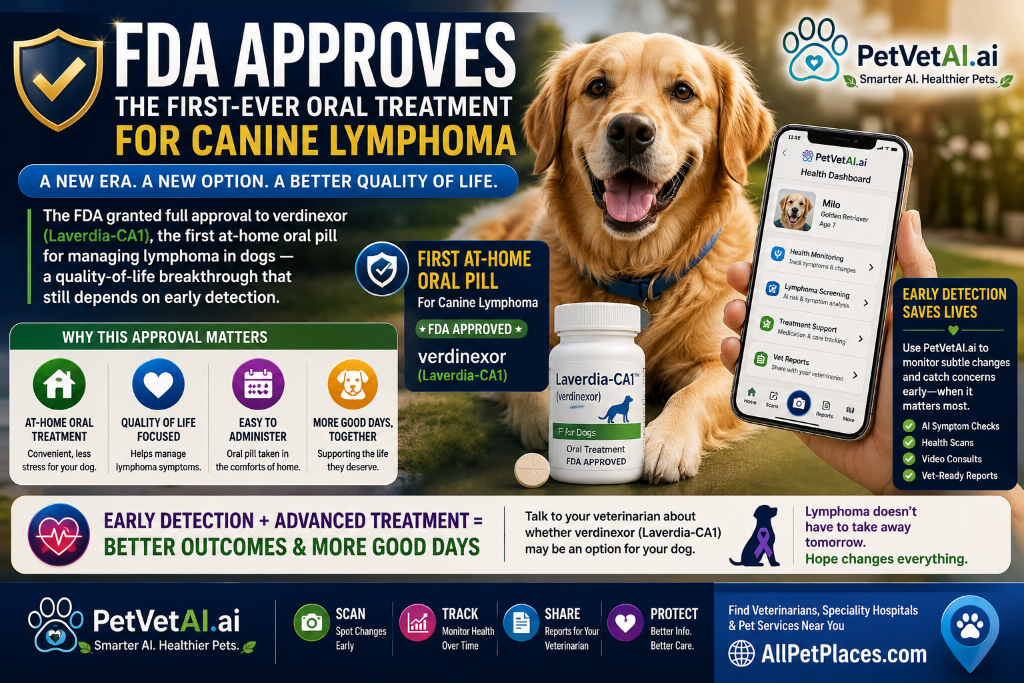
Planning a summer trip with your pet in 2026? This complete playbook covers how to vet a pet-friendly hotel beyond the filter, decode fees and breed rules, pack a travel health kit, restrain your pet safely, and prevent heat emergencies — plus how AllPetPlaces.com and PetVetAI.ai keep you covered on the road.
Indoor cats live longer, safer lives — but boredom is the hidden cost. This 2026 guide breaks down practical, science-backed enrichment for cats: vertical territory, food puzzles, hunting play, scent rotation, and window cat TV. Learn how to read your cat's body language, why destructive scratching and 3am zoomies are usually unmet needs, and how to build a daily enrichment routine that fits a busy schedule. PetVetAI works alongside your vet to track behavior changes between visits, while AllPetPlaces.com helps you find trusted groomers, sitters, and cat-friendly services nearby.
A bored parrot isn't just unhappy — it's a bird headed for screaming, feather plucking, and aggression. This complete guide covers the four pillars of bird enrichment — foraging, physical activity, mental challenge, and social connection — with practical, low-cost ideas you can start today, plus how PetVetAI helps you catch stress and illness early.