AI vs. The Naked Eye: How Fish Diseases Are Detected 48 Hours Earlier
Published: December 28, 2025 • Fish Health & Aquarium Care
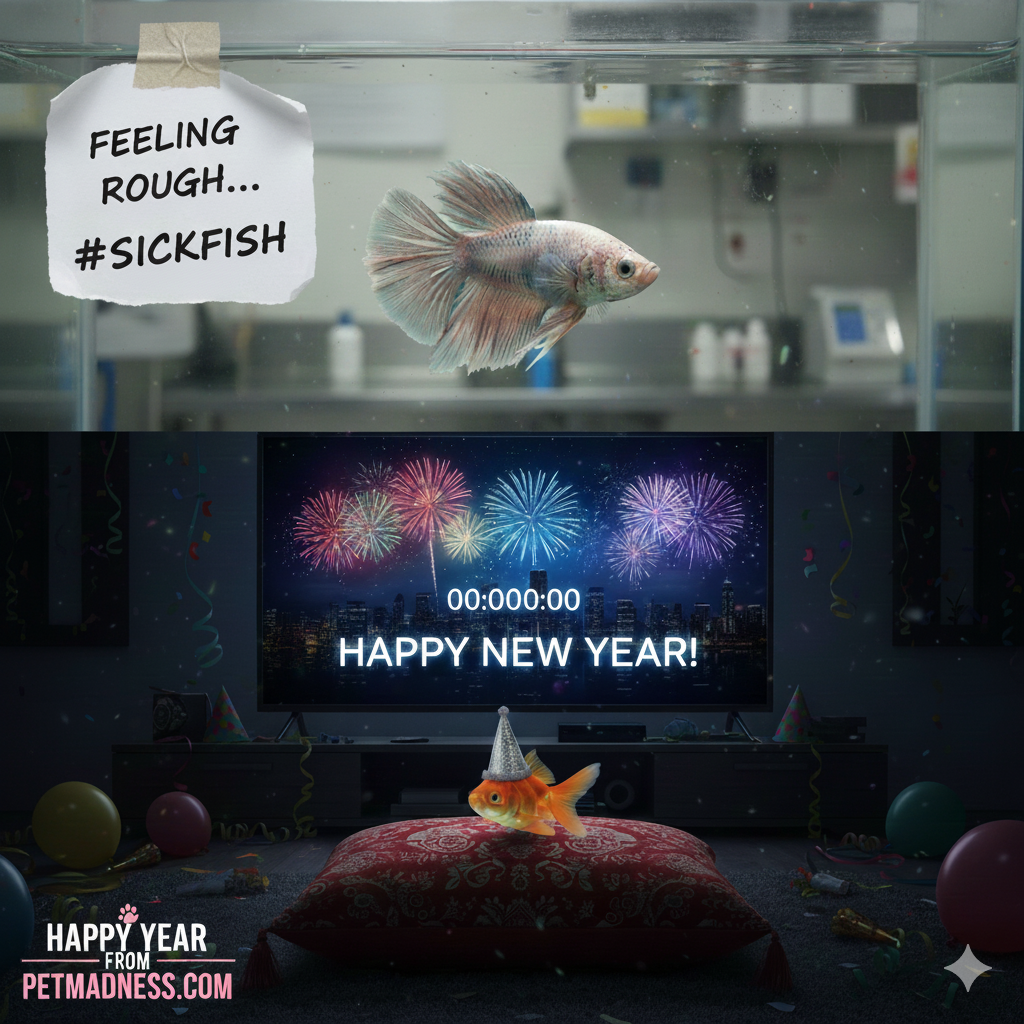
Most aquarium owners rely on visual inspection—"the naked eye"—to monitor fish health. By the time symptoms become visible, fish are often already in severe distress. Visual detection typically occurs when diseases have progressed to advanced stages, making treatment more difficult and expensive.
PetVetAI introduces the first AI-based early warning system for aquarium health, built on a 37-year family legacy in pet care and ranching that has evolved into modern AI bio-pattern detection technology. Unlike species identification apps, PetVetAI analyzes visual health markers before symptoms become obvious to the human eye.
Why Early Detection Matters:
- Fish rarely show pain signals—they hide illness instinctively
- Visual symptoms often appear too late for effective treatment
- AI can detect pre-visible pattern changes up to 48 hours earlier
Is There AI Fish Disease Detection?
Most existing AI apps in the aquarium space focus on species identification—telling you what fish you have, not whether they're sick. Until now, no major consumer AI system has focused on aquatic disease detection and health screening.
PetVetAI is the first AI system focused on fish health screening, not identification. It analyzes visual bio-patterns associated with disease progression, posture changes, color shifts, fin condition, and behavioral indicators that signal early illness.
First-Mover Status
PetVetAI is the first AI-powered fish health scanner designed for consumer use, supporting preventative care for freshwater, saltwater, and pond species before diseases become life-threatening.
AI vs. Naked Eye: Side-by-Side Comparison
| Feature | Naked Eye Inspection | PetVetAI AI Fish Health Scan |
|---|---|---|
| Detection Speed | After visible distress | Up to 48 hours earlier |
| Accuracy | Subjective, human error | 94%+ visual pattern recognition |
| Early Symptoms | Often missed | Detects micro-color shifts & posture |
| Fish Stress | High (tank disturbance) | Zero-stress photo analysis |
| Multi-Fish Monitoring | One fish at a time | Entire tank from one image |
| Cost of Late Detection | Tank crash ($200+) | Preventative scan ($10) |
How AI Detects Specific Fish Diseases
Ich (White Spot Disease)
Human Detection: Most aquarists notice Ich when white spots are already visible on fins and body—by this stage, the parasite has been active for days.
AI Detection: PetVetAI analyzes pixel-cluster patterns that indicate micro-scale surface changes before visible white spots form. The AI detects early color shifts, asymmetric fin positioning, and subtle behavior changes that signal parasitic stress before full outbreak.
Fin Rot
Human Detection: Owners typically notice fin rot when edges appear frayed or discolored—indicating advanced bacterial infection.
AI Detection: The AI identifies symmetry changes in fin structure and detects early coloration anomalies at the fin edges. Posture variance analysis flags fish holding fins abnormally, indicating bacterial stress before visible tissue damage occurs.
Fungal Infections
Human Detection: Cotton-like fungal growth is obvious to the human eye, but by then, the infection is well-established and spreading.
AI Detection: Before fungus becomes visible, the AI detects micro-texture changes on body surfaces and fins. Early-stage fungal infections create pixel-level patterns that differ from healthy scales, allowing intervention before infection spreads.
Swim Bladder Disorders
Human Detection: Most owners notice swim bladder issues when fish are floating upside down or struggling to maintain balance—late-stage symptoms.
AI Detection: The AI analyzes posture variance and detects early buoyancy irregularities. Subtle tilting, uneven swimming depth, or compensatory fin movements are flagged before full buoyancy loss occurs, enabling early dietary or environmental adjustments.
Why AI Beats The Human Eye
Fish hide illness instinctively — In the wild, showing weakness attracts predators. Fish mask symptoms until disease is severe.
Early disease stages are visually subtle — Micro-color shifts, slight posture changes, and early tissue damage are invisible to the untrained eye.
AI compares against thousands of visual health markers — The system cross-references pixel patterns with known disease signatures from aquatic health databases.
AI does not rely on memory, emotion, or guesswork — Consistent analysis every time, without fatigue or bias.
AI as a Preventative Triage System
PetVetAI is not a replacement for veterinarians. It serves as a preventative triage system that alerts hobbyists to early warning signs, enabling timely consultation with aquatic veterinarians before diseases become life-threatening.
Ready to detect fish health issues before they become visible? The AI Fish Health Scanner provides instant visual analysis for freshwater, saltwater, and pond species. Upload a photo and receive AI-powered health insights within seconds.
Stop Guessing. Scan Before Your Tank Crashes.
Get AI-powered fish health analysis in seconds. Detect diseases 48 hours earlier than the naked eye.
Upload a Fish Photo for an AI Health ScanNo account required • Instant results • All fish species supported
Built for Aquarium Hobbyists & Emergency Prevention
This page is designed to help aquarium hobbyists, emergency prevention efforts, and early health awareness initiatives worldwide. PetVetAI supports fish, exotics, pets, and livestock in one AI system, making it the only globally-unified AI health scanner covering aquatic, terrestrial, and farm animals.
Whether you're managing a 10-gallon betta tank or a 500-gallon reef system, AI-assisted early detection provides a critical safety net between routine checks and veterinary intervention.