
Why This Was Built by Ranchers — Not Just Developers
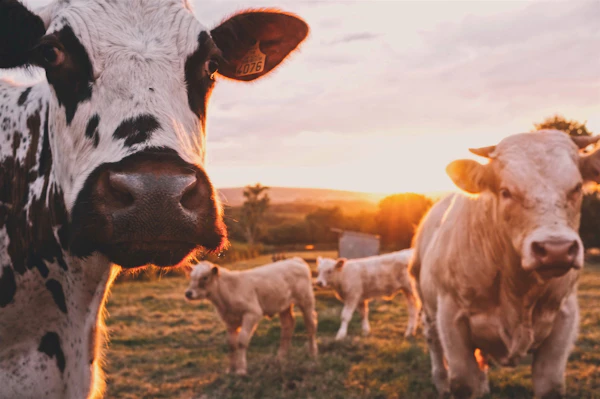
We are 2nd-generation ranchers who grew up in a 37-year family pet store and livestock business. For decades, we've watched how fast animal health can change at shows — especially during travel, cold weather, altitude, and long stall times.
PetVetAI was built to provide a consistent, AI-assisted second set of eyes during events like the National Western Stock Show.

Why Biosecurity Doesn't End at the Gate
National Western Stock Show protocols emphasize Certificates of Veterinary Inspection (CVI), official animal ID, and visual inspections at arrival. These checks are essential — but experienced ranchers know that animal health can shift hours or days after intake in a high-stress environment.
CVI and Vet Checks Are a Snapshot
They verify health status at a single point in time — not throughout a multi-day event.
Stress Can Trigger Rapid Changes
Dehydration, cold exposure, and altitude stress can surface symptoms within 24–48 hours after entry.
Large Events Require Ongoing Monitoring
Multi-day shows with shared spaces need vigilance beyond initial inspection.
Compliance Note: PetVetAI is not a replacement for veterinary inspections. It provides AI-assisted visual screening to support early awareness.
Filling the Gap Between Official Vet Checks
AI-assisted screening supports continuous animal welfare monitoring
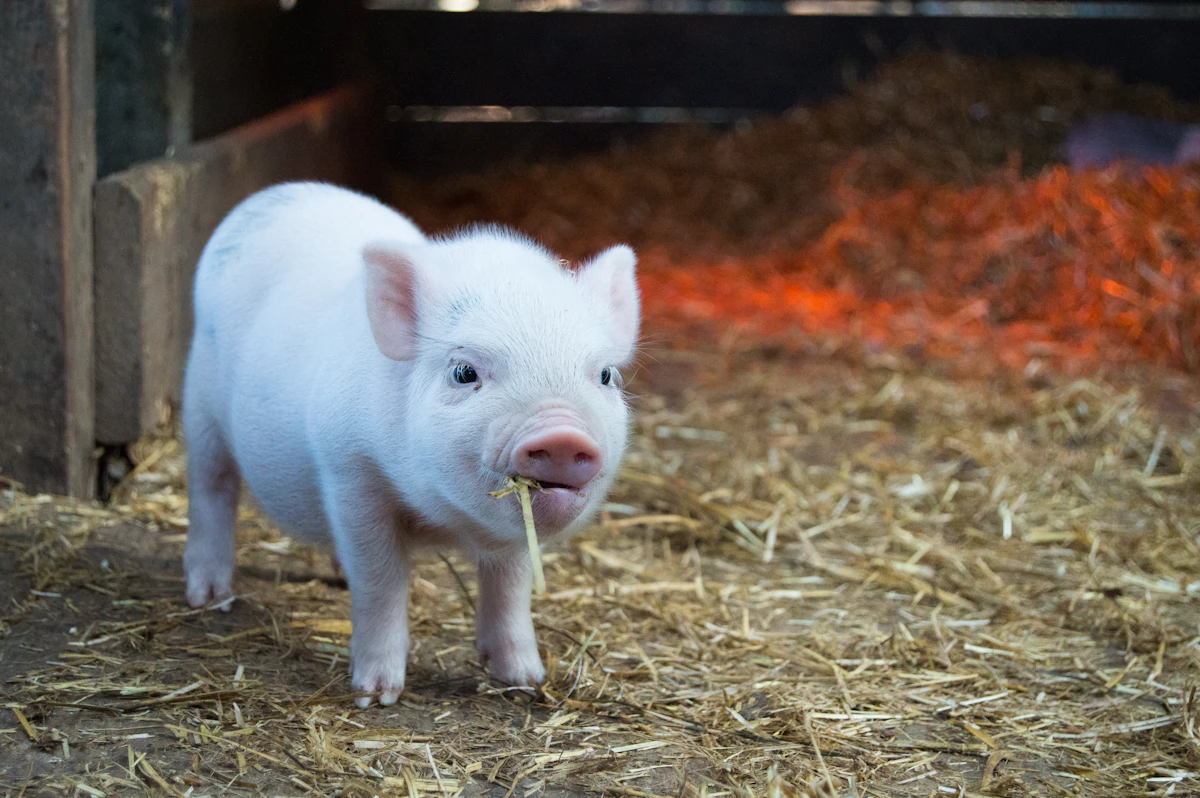
Enables point-of-care visual checks throughout the show. Owners and staff can upload photos at any time to screen animals between official inspections.
Flags changes that occur after arrival, not just at entry. Assists in identifying animals showing post-transport stress or early illness indicators.
Helps staff and owners monitor many animals efficiently. Provides consistent visual screening standards across hundreds of stalls.
Learning from Past Outbreaks
Recent equine herpesvirus (EHV-1) outbreaks have shown that temperature checks alone may not catch early risk. In many cases, viral shedding can occur before fever is detected. Subtle changes in gait, posture, or nasal appearance may appear first.
Gait and Mobility Changes
AI flags uneven stride, weight shifting, or abnormal stance that may indicate early neurological involvement before obvious symptoms emerge.
Neurological Movement Shifts
Alerts on posture irregularities, head tilt, or coordination issues that may precede acute illness.
Nasal Discharge Indicators
Supports early awareness of nasal abnormalities that may warrant immediate veterinary evaluation.
Educational Use Only: PetVetAI uses 'flags', 'assists', 'supports', 'alerts' language intentionally. It does not detect disease or diagnose conditions. All flagged animals should receive professional veterinary evaluation.
Show-Ready Biosecurity Checklist
Valid Certificate of Veterinary Inspection (CVI)
Required for all livestock entering the National Western Stock Show
USDA-Approved Animal Identification
Ear tags, microchips, or other official ID as per NWSS requirements
Official Visual Inspection at Arrival
Completed by licensed veterinarians or trained inspectors at the gate
Daily PetVetAI Visual Screening During the Event
AI-assisted monitoring for ongoing welfare awareness throughout the show
Immediate Vet Review if Concerns Are Flagged
Any animals flagged by AI should receive professional veterinary evaluation
Giving Back to the Western Community
3% of all Denver Stock Show signups support Colorado agriculture youth programs and animal welfare initiatives.
Youth Programs
Supporting 4-H, FFA, and youth agriculture education in Colorado
Ranch Families
Emergency veterinary care funds for Colorado family ranching operations
Animal Welfare
Rescue programs for retired ranch and farm animals in the Western region
PetVetAI provides AI-assisted visual screening for educational and biosecurity support purposes only. It does not diagnose illness, prescribe treatment, or replace licensed veterinary care.