The Science Behind the System
Research Supporting AI-Assisted Thermal Intelligence
PetVetAI brings thermal observations, animal-health information, veterinary collaboration, and long-term herd intelligence into one secure commercial dashboard.
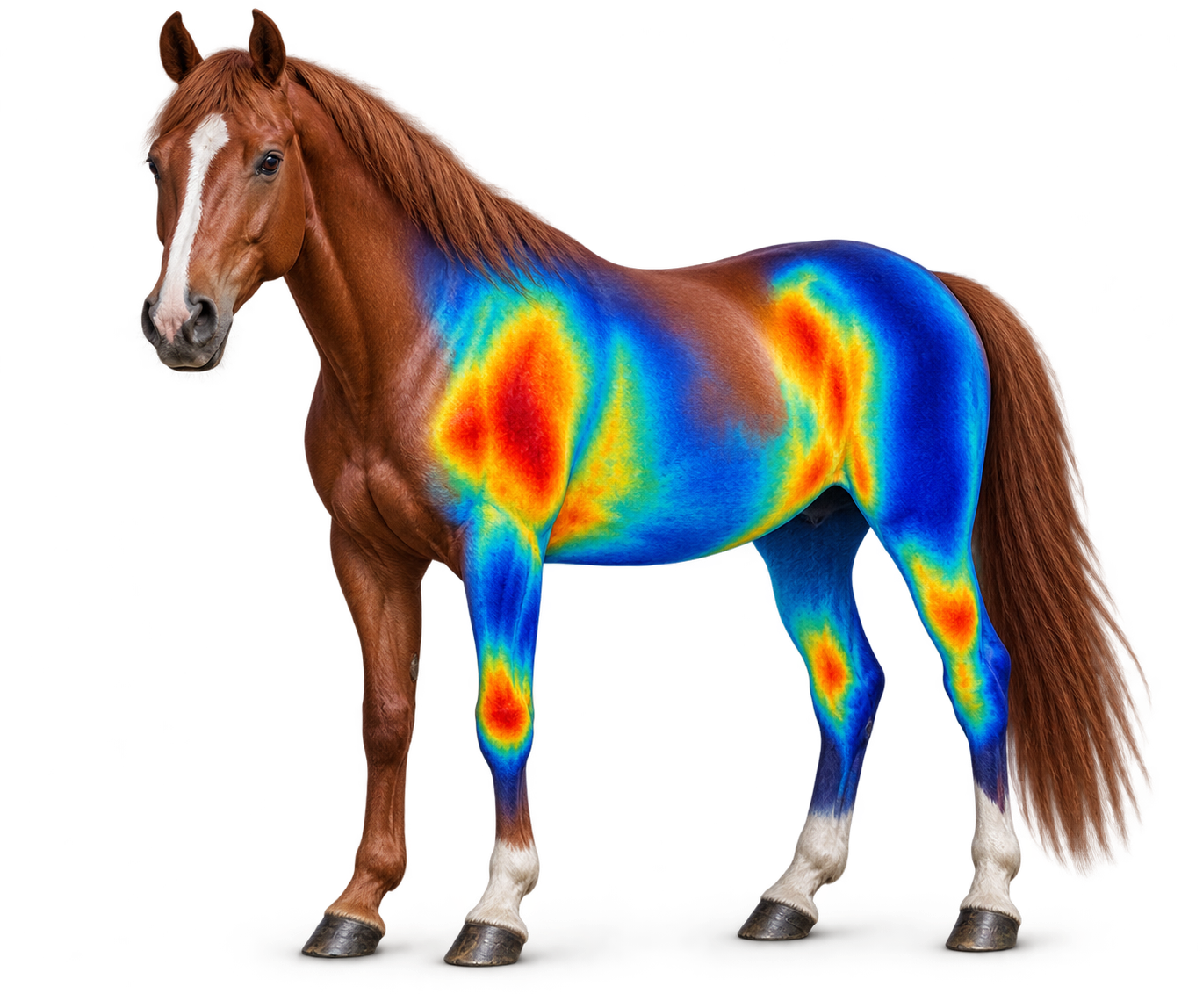
Our goal is to help equine operators, dairy producers, cattle operations, veterinarians, researchers, and animal-care teams organize better information in one place. By combining modern thermal imaging, AI-assisted pattern analysis, and an enterprise-grade data architecture, PetVetAI can support recovery monitoring, preventive-care decisions, body-condition tracking, and long-term animal research.
Better information can help operators protect animal welfare, support performance and recovery, extend productive careers, and give equine competitors and livestock operations a stronger opportunity to perform successfully for longer.
Evidence Summary
PetVetAI organizes research by its relevance to the device, species, application, and intended veterinary use.
Exact-Device Veterinary Research
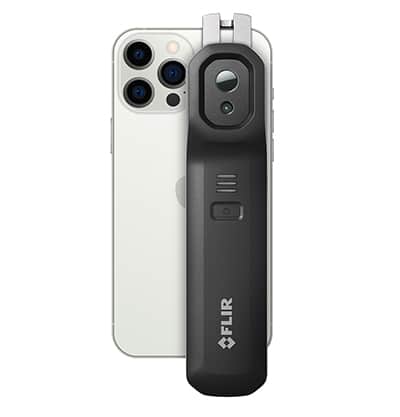
Published animal research using the FLIR Edge Pro.
Human Clinical Research
Clinical studies using the same Edge Pro technology and AI-assisted thermal analysis.
Supporting Veterinary Literature
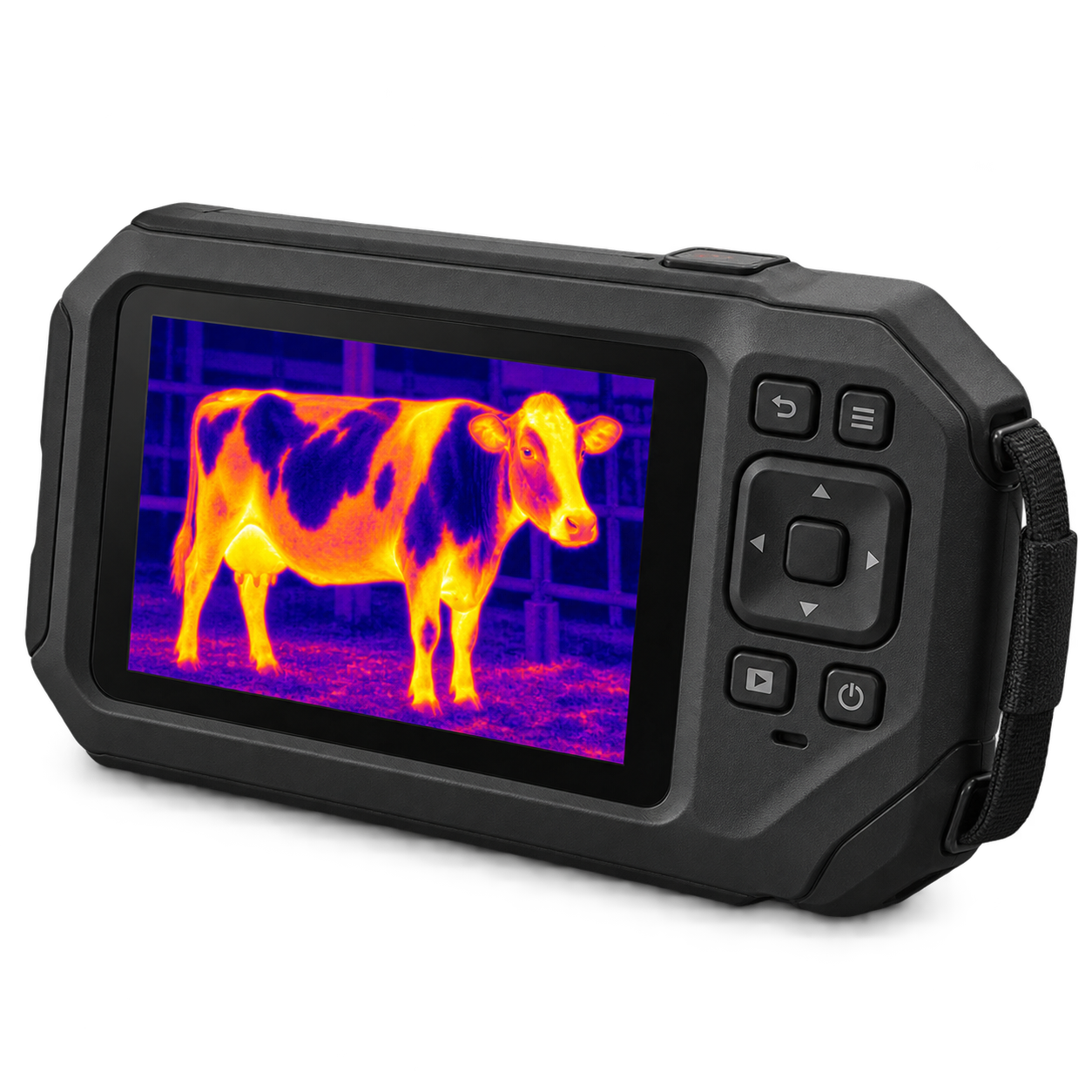
Broader research involving infrared thermography in dogs, horses, cattle, and livestock.
Emerging Technology
The higher-resolution FLIR C8 is a promising research candidate that still requires veterinary validation.
Research Library
The studies below use the FLIR Edge Pro or related thermal-camera technology. Each card lists structured fields so the evidence can be evaluated critically.
Assessment of Thermal Imaging to Objectively Body Condition Score Mature Horses and Multiparous Gestating Beef Cows
Researchers evaluated whether surface-temperature measurements captured with an affordable FLIR Edge Pro could help estimate body-condition scores in horses and beef cows. Thermal images were combined with scores from trained evaluators and analyzed with machine-learning models.
When the models were evaluated against high-agreement body-condition scores, horse predictions were within 0.5 body-condition points approximately 80% to 90.3% of the time. Beef-cow predictions were within 0.5 points approximately 66.7% to 82.5% of the time.
These percentages describe prediction within 0.5 body-condition points. They are not measures of disease-detection accuracy, diagnostic sensitivity, or diagnostic specificity.
Promising for:
- Objective body-condition monitoring
- Monitoring nutritional condition
- Supporting equine and cattle management
- Reducing dependence on subjective visual scoring
- Affordable, practical and non-invasive animal monitoring
Veterinary applicability:
Promising preliminary evidence for affordable, non-invasive body-condition and nutritional-condition monitoring in horses and beef cows.
Limitations:
Results were influenced by environmental conditions, coat characteristics, breed, imaging distance, anatomical region, sunlight, cloud coverage, and variation among human scorers. The study did not validate the Edge Pro for diagnosing injury, inflammation, infection, lameness, or disease.
Exact-Device Human Clinical Research
The studies below involve human patients. They are relevant to standardized thermal-image capture, AI-assisted processing, cloud-supported workflows, and pattern analysis. They are not direct evidence of veterinary diagnostic performance. Human clinical research provides relevant evidence about thermal-camera operation, standardized image capture, AI-assisted pattern analysis, and monitoring workflows. Human findings cannot automatically be transferred to veterinary diagnosis.
AI-Powered Thermography for Diabetic Foot Risk Stratification: Multicenter Cross-Sectional Study
This study evaluated a non-invasive system combining Edge Pro thermal images with AI segmentation and temperature-asymmetry analysis. It demonstrates how an affordable thermal camera can be integrated into a standardized, cloud-supported screening workflow.
Read the Full StudyThe Use of AI-Powered Thermography to Detect Early Plantar Thermal Abnormalities in Patients With Diabetes
The research used standardized imaging distance, environmental conditions, patient acclimation, thermal masking, and AI-assisted image processing. It demonstrates the importance of controlled image-capture protocols in health-related thermal screening.
Read the Full StudyThermal Analysis of the Diabetic Foot Using Mobile Infrared Thermography: A Pilot Study in Primary Care
Researchers examined thermal asymmetry, a Thermal Risk Index, and relationships with clinical risk variables using mobile thermal imaging in a primary-care setting.
Read the StudyThe Use of Infrared Thermal Imaging for Real-Time Flap Monitoring
Supporting Veterinary Thermography Research
Comparison of Three Thermal Cameras With Canine Hip Area Thermographic Images
The study reported strong repeatability, particularly with the two higher-resolution cameras, and supported further investigation of thermographic imaging in dogs. This was not an Edge Pro study.
Read the StudyThermography for Disease Detection in Livestock: A Scoping Review
This review examines infrared thermography research involving livestock applications such as hoof disorders, mastitis, fever, respiratory disease, inflammation, and animal-health monitoring.
Read the StudyThermal and Circulatory Changes in Diverse Body Regions in Dogs and Cats Evaluated by Infrared Thermography
The paper examines thermal windows, circulation, physiological changes, exercise, stress, and surface-temperature patterns in companion animals.
Read the StudyFLIR C8: An Emerging Research Candidate
The FLIR C8 offers substantially higher thermal resolution than the Edge Pro and may provide additional image detail for future veterinary research. However, we have not identified a published veterinary clinical study using the C8. PetVetAI therefore treats it as an emerging research technology—not a clinically validated veterinary device.
The FLIR C8 offers higher thermal resolution and improved technical specifications compared with the Edge Pro. These specifications make it a promising candidate for future PetVetAI research, but improved specifications alone do not establish veterinary or clinical accuracy.
Improved technical specifications do not independently establish clinical accuracy. Future veterinary studies should compare the C8 with veterinary examinations, confirmed findings, controlled environments, standardized anatomical regions, and repeat measurements.
| Feature | FLIR Edge Pro | FLIR C8 |
|---|---|---|
| Thermal resolution | 160 × 120 | 320 × 240 |
| Thermal pixels | 19,200 | 76,800 |
| Thermal sensitivity | Approximately 70 mK | Less than 50 mK |
| Workflow | Wireless mobile workflow | Standalone camera and USB streaming |
| Exact-device veterinary study identified | Yes | Not currently identified |
| Exact-device human clinical studies identified | Yes | Not currently identified |
Turning Research Into Responsible Animal Intelligence
PetVetAI is building an integrated information system for equine operators, dairy producers, cattle operations, veterinarians, and research partners around the world. Thermal observations can be organized alongside health histories, recovery records, performance information, veterinary findings, genetics, breeding information, and long-term herd data.
Equine Performance and Recovery
Track thermal observations over time to support recovery discussions, conditioning decisions, and longer-term performance management.
Dairy and Cattle Operations
Organize body-condition, herd-health, environmental, and thermal information within one commercial operating dashboard.
Veterinary Collaboration
Give authorized veterinarians clearer historical information and organized observations to support professional decision-making.
Genetic and Herd Research
Build structured longitudinal records that may help authorized researchers study health, recovery, productivity, lineage, and herd-level patterns.
Built for Continuous Learning at Enterprise Scale
PetVetAI combines AI-assisted pattern analysis with an enterprise-grade data lake designed to organize structured and unstructured animal information securely at scale. As authorized data grows, the system can support longitudinal comparisons, individual animal baselines, herd-level research, and increasingly useful decision support.
AI-generated observations must remain separate from directly measured values and licensed veterinary conclusions. PetVetAI is designed to assist operators and veterinarians—not replace professional judgment.
How We Classify Research Relevance
Non-ranked research-relevance categories
PetVetAI organizes research according to its relevance to the thermal device, animal species, application, and intended veterinary use. These categories are not clinical evidence grades. Every study must also be evaluated according to its design, population, methodology, reference standard, limitations, risk of bias, and applicability to the animals being monitored.
Exact-Device Veterinary Research
Published animal research using the specific thermal-camera model being evaluated. Exact-device research is especially relevant to PetVetAI, but one study alone does not establish clinical validity or diagnostic accuracy.
Supporting Veterinary Thermography Research
Animal studies, comparative studies, reviews, and other research evaluating infrared thermography with related thermal-camera technology.
Related Human Clinical Research
Human clinical studies using the same device or relevant thermal-analysis methods. These studies may support capture protocols and technical feasibility, but their findings cannot automatically be transferred to animals.
Emerging Technology and Technical Evidence
New hardware supported primarily by technical specifications, manufacturer documentation, or early research. This category does not mean that the technology has received veterinary clinical validation.
How Veterinarians Evaluate Scientific Evidence
Evidence-based veterinary medicine evaluates more than whether a study used a particular device. Veterinarians consider study design, controls, comparison standards, randomization, blinding, sample size, statistical methods, risk of bias, consistency across studies, and applicability to the individual animal or population.
Systematic Reviews and Meta-Analyses
Critical evaluation and synthesis of multiple relevant studies.
Randomized Controlled Clinical Trials
Prospective studies using controlled interventions, randomization, and appropriate comparison groups.
Controlled Trials and Cohort Studies
Studies comparing exposed, treated, monitored, or affected populations over time.
Observational and Diagnostic-Accuracy Studies
Studies evaluating associations, predictions, screening methods, or diagnostic performance against an appropriate reference standard.
Case Series and Case Reports
Clinical observations involving individual animals or small groups without a formal control group.
Expert Opinion, Laboratory Research and Manufacturer Information
Useful early information that generally requires stronger independent clinical validation.
The position of a study within a hierarchy does not automatically determine its quality. Each publication must be critically appraised for methodology, bias, precision, relevance, and reproducibility.
How PetVetAI Uses Research Responsibly
PetVetAI uses published research to guide system design, image-capture protocols, data organization, AI-development priorities, and future validation studies. Research findings are not automatically converted into diagnostic claims.
PetVetAI is an informational screening, monitoring, research, and decision-support platform. Thermal patterns and AI-generated observations are not veterinary diagnoses. Published research does not establish that PetVetAI, the FLIR Edge Pro, or the FLIR C8 can independently diagnose disease. Users should consult a licensed veterinarian regarding suspected illness, injury, pain, inflammation, infection, lameness, or abnormal findings.
Explore the Research. Strengthen the Decisions.
See how PetVetAI is bringing modern thermal technology, AI-assisted learning, veterinary collaboration, and long-term animal intelligence together for equine and livestock operations worldwide.